
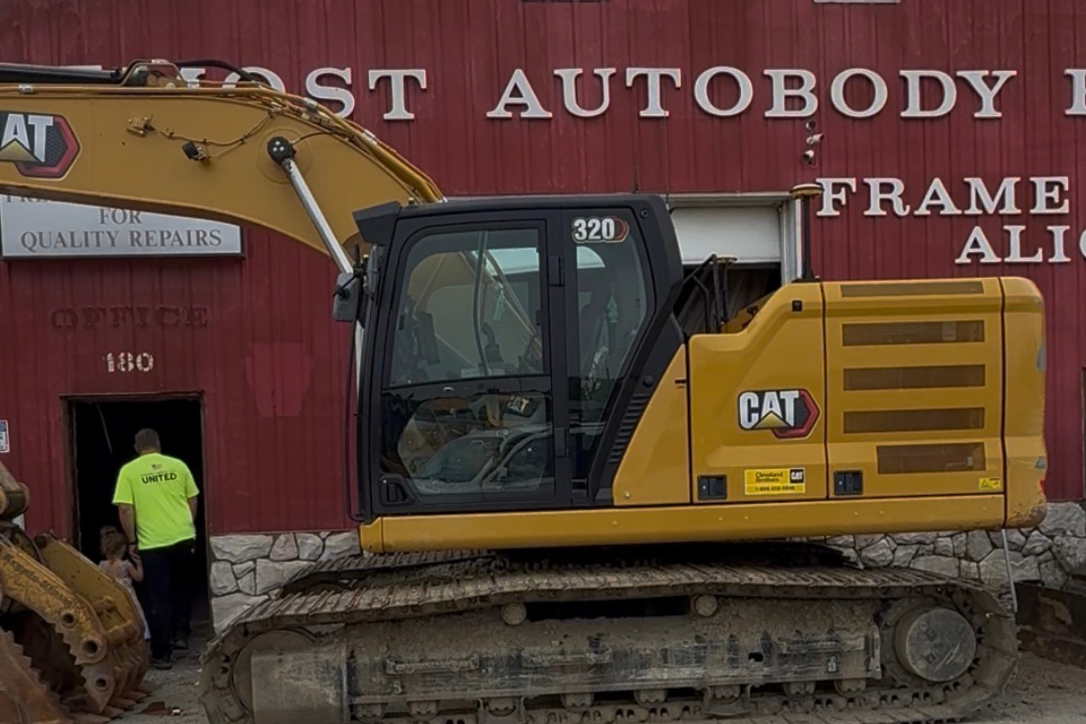
Excavation & Site Work in Butler County, PA
Building Contractors United is an excavation contractor in Butler County, PA that clears, grades and prepares residential and commercial sites, then builds on them.
Building Contractors United is an excavation contractor in Butler County, PA that handles the dirt work and the building that follows it. Excavation is one of our two core services, and it is where most of our projects start. We clear, grade, trench and prepare sites across Zelienople, Cranberry Township, Butler and the North Hills, and because we are also a general contractor, the site we prepare is a site we understand from footer to roofline. JT Minarik, our Construction Manager, has been in the field since 2009 and runs every excavation job we take on.
Excavation and site work services we provide
We provide land clearing, grading, foundation excavation, utility trenching, stormwater work and commercial pad preparation for residential and commercial sites. Here is what each service covers.
Land clearing and grubbing
Land clearing removes trees, brush, stumps and roots so a site is ready to grade and build. We clear wooded lots and overgrown parcels and haul or chip the debris. In this region, hardwood roots and buried rock are common, so we plan for both before the first machine arrives. The goal is a clean, stable surface with nothing left in the ground that will settle later.
Grading and site preparation
Grading shapes the ground to the elevations on your plan so water drains away from the building and the subgrade can carry the load. We handle rough grading, fine grading, cut and fill balancing and slope work. Hillside lots north of Pittsburgh need careful cut and fill planning to limit hauling and keep slopes stable. We work from the civil drawings and check grades as we go so finish work lands where the engineer intended.
Foundation excavation and footers
Foundation excavation digs the footprint of the building to the depth and footprint on the structural plans, ready for footers and walls. We excavate basements, crawl spaces, slab-on-grade pads and frost-depth footers. Clay and shale soils in Butler County hold water and expand, so we coordinate with the engineer on bearing conditions and keep the excavation dry and protected until concrete goes in. As a general contractor, we also pour and build on what we dig, which keeps one crew accountable for the whole foundation.
Utility trenching and site utilities
Utility trenching installs water, sanitary sewer, storm, gas, electric and communication lines between the building and the street or well and septic system. We trench to the required depth, bed and backfill to spec, and coordinate inspections with the township and utility providers. We call in locates before we dig and sequence trenching around the rest of the site work so finished grades are not disturbed twice.
Stormwater management and drainage
Stormwater work manages where rain goes on your property, from detention and retention basins to swales, inlets, storm pipe and French drains. Many municipalities north of Pittsburgh require stormwater management plans for new development, and slopes and clay soils make drainage a real design problem rather than an afterthought. We build what the civil engineer designs and install erosion and sediment controls so the site stays compliant through construction.
Commercial pad site preparation
Commercial pad site preparation delivers a compacted, surveyed building pad plus the parking lot subgrade, utilities and stormwater infrastructure a commercial building needs. This is the commercial site development work that most local excavation companies do not offer as one package. We handle pad certification coordination, parking lot subgrade, curb and sidewalk prep, and the E&S controls that keep a larger site in compliance. Pair this with our commercial construction service and one contractor takes the project from raw ground to occupancy.
Demolition and site demo
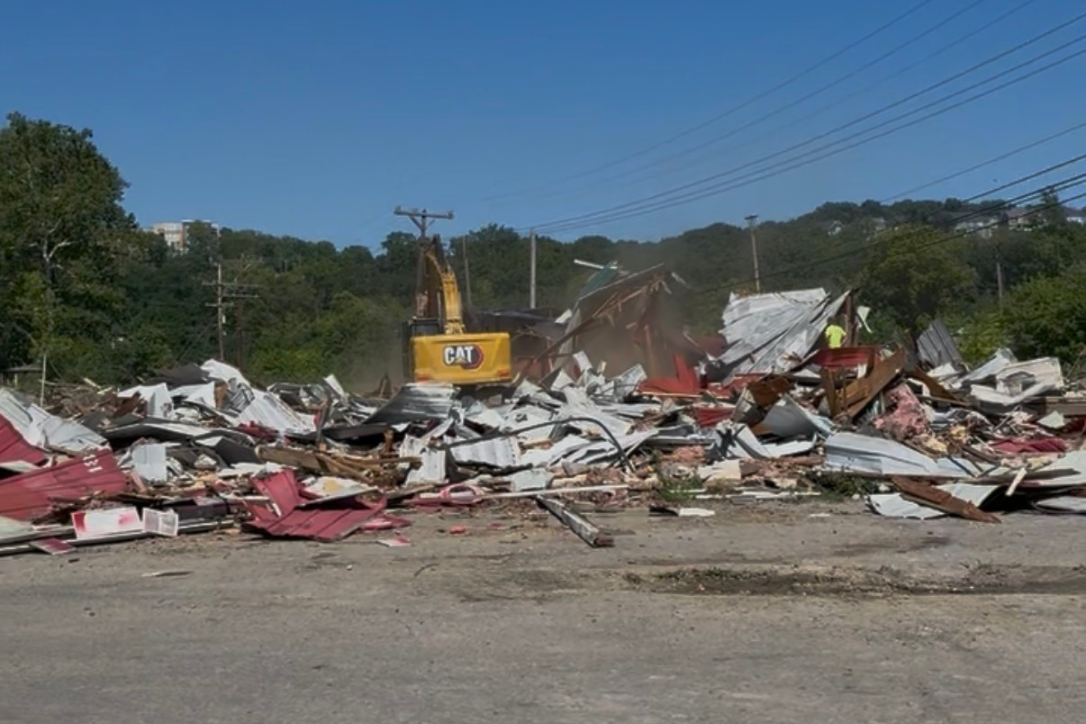
We take down existing structures, remove slabs and foundations, and clear the site for new construction. Demolition includes utility disconnects, debris hauling and backfilling the old footprint so the ground is ready for the next phase. We handle the permit paperwork with the township and schedule the work so it does not hold up the rest of the schedule.
How BCU runs an excavation project
Every excavation job follows the same four steps so you know what is happening and when. Here is how it works.
- Consult. We walk the site with you, review your plans or survey, and talk through access, soils, drainage and what the township will require. If you do not have civil drawings yet, we tell you what you will need and who to call.
- Estimate. You get a written, itemized estimate at no cost. It spells out clearing, grading, trenching, hauling, stormwater and permit coordination so there are no surprises when the machines show up. We price it honestly, up front.
- Build. We pull permits, set erosion controls, call utility locates and execute the site work in sequence. JT is on site running the crew. You get regular updates and we do not disappear between phases.
- Walkthrough. When grading is done we walk the finished site with you, confirm elevations against the plan, and hand off a site that is ready for the foundation or paving crew. Our 2-year workmanship warranty covers the work.
Why BCU for excavation and site work
- Excavation plus building under one roof. Excavation and commercial construction are the core of what we do. We dig the site knowing exactly what has to sit on it, which means fewer handoffs and fewer problems at the foundation stage.
- Field leadership since 2009. JT Minarik has been running job sites for more than fifteen years and is on the ground for every project.
- Fully insured and registered. We carry general liability and workers' compensation insurance and hold PA HIC #PA193140.
- Honest, free estimates. You see the scope and the number before any work starts. No vague allowances, no surprise change orders for things we should have seen on the walk.
- Two-year workmanship warranty. We stand behind our grading, trenching and site work for two years. Most excavation companies offer nothing in writing.
- Woman-owned and local. BCU is a woman-owned business based in Zelienople. We live and work in the same communities we build in.
Excavation across Butler County, Cranberry Township and the North Hills
Site work north of Pittsburgh comes with its own permits, soils and terrain, and an excavation contractor in Butler County, PA has to know all three. Most projects that disturb an acre or more need a PA DEP NPDES permit, and the Butler County Conservation District reviews erosion and sediment control plans before ground is broken. Smaller sites still need township grading and stormwater approval. We handle that coordination for you.
The ground itself is the other challenge. Butler County and northern Allegheny County sit on clay and shale that hold water, shift with freeze and thaw, and often hide rock a few feet down. Many of the best building lots are on hillsides. Good grading, compaction and drainage design are what keep a building from cracking ten years later, and that is where field experience matters.
Growth along Route 19 and Route 228 in Cranberry Township has created steady demand for commercial pad sites, parking lots and utility extensions near the Westinghouse campus and the surrounding business parks. Up Route 68 and Route 8, Zelienople, Harmony and Butler have more acreage lots, more rural utility runs and more septic and well work. Closer to the city, the North Hills and McCandless bring tighter lots, steeper grades and stricter stormwater rules. We work in all of them, and we also prepare the sites for our own custom home projects across the region.
If you need an excavation contractor in Butler County, PA for a building pad, a new home site, utility trenching or a commercial development, we would like to walk the property with you. Request a free estimate or call (724) 900-4123. We show up when we say we will, and we price it honestly.
Excavation & Site Work

Frequently asked questions
Every project is different. The fastest way to a real answer is a site walk with our team.
(724) 900-4123Get a Free EstimateHourly excavation rates in Pennsylvania depend on the size of the machine, whether the operator and fuel are included, and how far the equipment has to travel. A mini excavator costs less per hour than a full-size machine, and a dozer or dump truck carries its own rate.
Most contractors quote a half-day or full-day minimum plus a mobilization charge. Hourly pricing fits small, open-ended jobs like a drainage fix or a short trench. For a defined scope such as a foundation or a building pad, a lump sum is usually better for the owner because the risk of running long stays with the contractor.
The cost to clear and grade a lot in Western Pennsylvania depends on how many trees are on it, how steep it is, what the soil is like, and how much material has to be hauled off or brought in. Two lots of the same size can vary widely for those reasons alone.
Wooded lots cost more because trees and stumps have to be removed and disposed of. Sloped lots need more cut and fill and sometimes a retaining wall. Clay and shale, which are common across Butler and Allegheny Counties, are slower to move than loose soil. Because cost depends on the site and the scope, BCU gives a free, itemized estimate once we have walked the lot.
Usually yes. Most Butler County townships require a grading permit for earth disturbance above a set threshold, and state rules add requirements based on the size of the disturbance.
Any disturbance of 5,000 square feet or more needs a written erosion and sediment control plan. Any disturbance of one acre or more needs an NPDES permit through the Butler County Conservation District before work begins. Thresholds and fees differ between Cranberry Township, Adams Township, Jackson Township and the other municipalities, so check with the township building department. A good contractor knows the local rules and handles the application.
Excavation is the digging: cutting, filling, trenching and hauling earth. Site work is the broader category that includes excavation plus everything else needed to make a piece of land ready for a building.
Site work typically covers clearing, rough and fine grading, erosion and sediment controls, stormwater facilities, utility trenching and installation, retaining walls, and building pad or parking lot subgrade preparation. Many excavation contractors only dig and haul. A site work contractor manages the whole sequence from raw land to a pad that is ready for footings.
How long site preparation takes depends on the scope and the site, including the volume of grading and the stormwater facilities required, and BCU gives you a realistic schedule with your free estimate.
Permits often take longer than the work itself. Grading permits and NPDES permits for sites over one acre both take time to approve, and review time depends on the township and the conservation district. Wet spring conditions and frozen ground in winter slow everything down. Starting the permit process early is the best way to protect the construction start date.
Yes, excavation is possible in a Pittsburgh winter, but it costs more and some work should wait for warmer weather. Frozen ground is slow to dig and cannot be used as compacted fill until it thaws.
Clearing, demolition and some trenching work fine in winter. Foundation excavation and fill placement are better scheduled for late spring through fall, when the clay soil common to the region is workable and concrete can cure without extensive cold-weather protection. Many owners use the winter to secure permits and finish design so the job can start the day the ground is ready.
A pad-ready site is a commercial lot that has been cleared, graded and compacted to the elevation where a building's foundation can start, with utilities stubbed to the pad and stormwater controls in place. It is the handoff point between site work and vertical construction.
Getting a site pad-ready typically includes clearing, mass grading, erosion and sediment controls, installation of water, sewer, gas and electric to the building footprint, stormwater detention, and compaction testing of the pad. Developers along Route 228 and Route 19 often market pad-ready lots because they let a tenant or owner start building without the risk and lead time of raw land.
The property owner is legally responsible for stormwater management on a commercial site in Pennsylvania, both during construction and after. The owner typically delegates the design to a civil engineer and the installation to the site contractor.
During construction, the NPDES permit holder, usually the owner or developer, is responsible for maintaining erosion and sediment controls, and the contractor carries out the work. After construction, the owner maintains the permanent facilities such as detention basins and inlets under the township's stormwater ordinance. Townships like Cranberry and Adams require a recorded maintenance agreement, so read it before you close on a property.
Service areas
Ready to start? Get a free estimate.
Tell us about the project in four quick steps, or call us directly. We price it honestly, up front.