
Construction services across Western Pennsylvania
Building Contractors United is a general contractor for excavation and site work, commercial construction, commercial renovations and tenant build-outs, design-build, custom homes, and home additions and remodels. One team, one point of contact, from the first site visit in Butler County to the final walkthrough.
Six services, one contractor
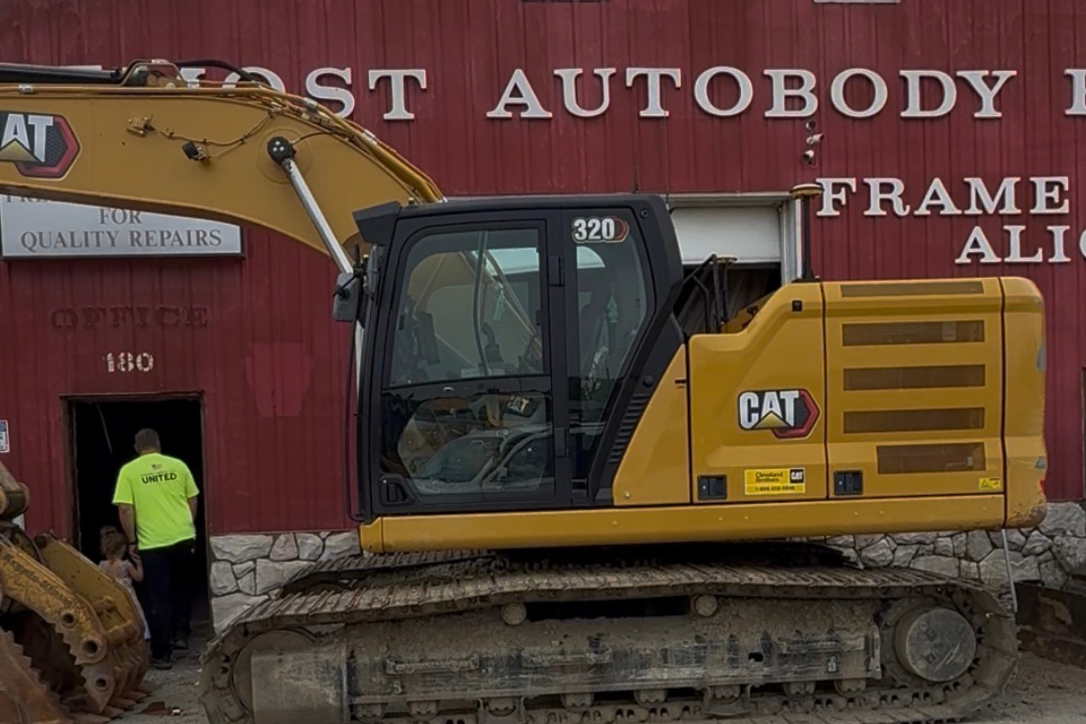
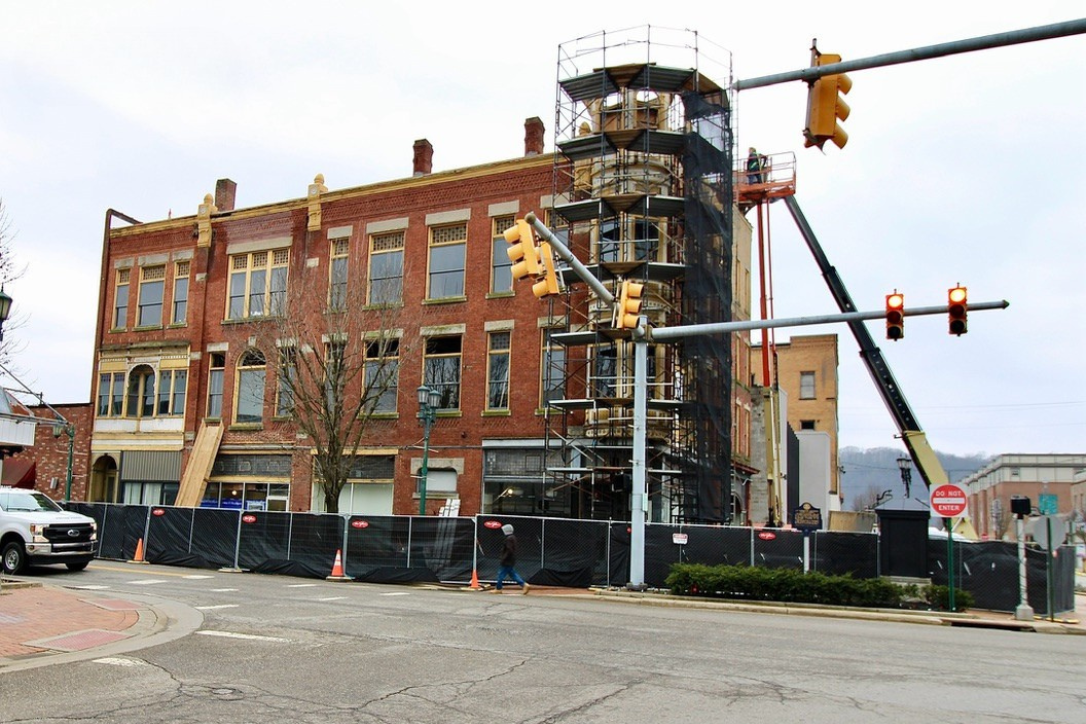
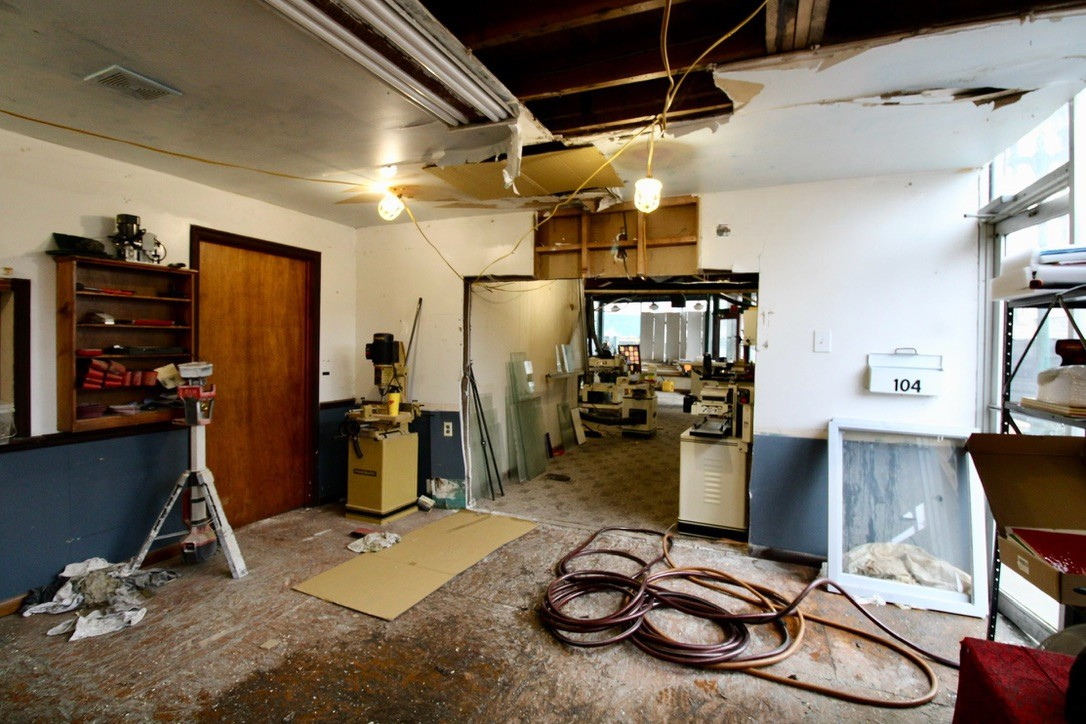
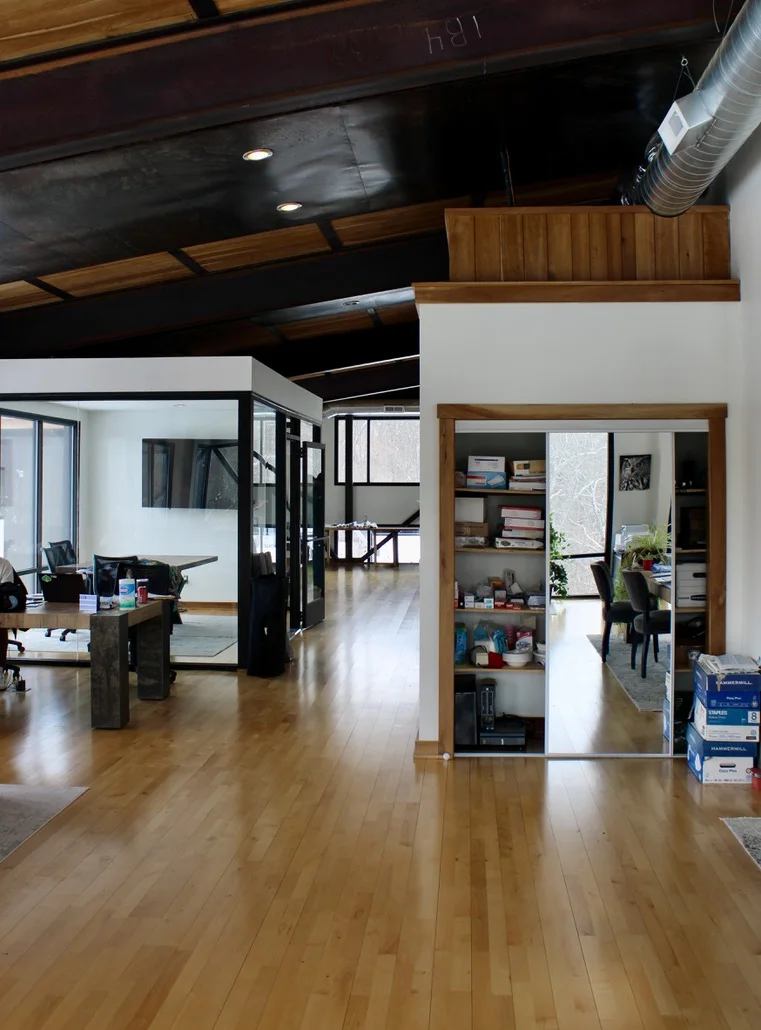
BCU handles nearly every trade outside of plumbing, HVAC and electrical. Pick a service to see what is included, how we price it, and the questions owners ask most.
How we work
Four steps, no surprises. The same process runs on a commercial pad site and a kitchen remodel.
Call and site visit
Tell us about the project. We walk the site with you, look at access, grades, soils and utilities, and ask the questions that change the price later.
Honest estimate
You get a written estimate with the scope spelled out line by line, plus what the township, the conservation district, or PA DEP will need before work starts.
Build
We run the site and the schedule, and we keep you updated. Permits pulled, inspections scheduled, site kept clean every day.
Two-year warranty
We walk the finished job with you, hand over the paperwork, and stand behind the workmanship for two years.
Questions owners ask us
Straight answers on permits, pricing, timelines and what a general contractor north of Pittsburgh actually handles.
What is a woman-owned business certification in construction and why does it matter?
A woman-owned business certification is a formal verification that a company is at least 51 percent owned, controlled and managed by one or more women. In construction, the common certifications are WBE through state or local programs, WBENC in the private sector, and DBE through the Pennsylvania Unified Certification Program for publicly funded work.
It matters because many public agencies, universities, hospital systems and large corporations have diversity participation goals and actively seek certified firms for contracts and subcontracts. For homeowners and small business owners, it is simply a verified fact about who owns and runs the company. Building Contractors United is woman-owned, with Olivia Minarik as owner.
How long does a whole home remodel take?
How long a whole home remodel takes depends on the scope of the work and the condition of the house, and BCU gives you a realistic schedule with your free estimate. Design, selections and permitting also take time before work starts, and homes that need structural changes, new systems or an addition take longer.
The schedule depends on how much of the house is being opened up, whether the electrical, plumbing and HVAC systems are being replaced, and how quickly finish selections are made. Older homes in the Pittsburgh area often reveal surprises behind the walls that add time. Making all finish decisions before demolition starts is the single best way to keep a remodel on schedule.
Do I need a permit for a home addition in Pennsylvania?
Yes. Every home addition in Pennsylvania requires a building permit under the Uniform Construction Code, issued by your municipality or its third-party inspection agency. Most additions also need zoning approval for setbacks and lot coverage.
Requirements and fees vary by municipality. Cranberry Township, Pine Township, McCandless, Hampton and Zelienople Borough each have their own fee schedules and review timelines, so review time depends on the municipality and the project. Expect separate electrical, plumbing and mechanical inspections, and possibly a stormwater review if the addition adds significant impervious surface. Your contractor should pull the permits and schedule the inspections.
Is it cheaper to add a second story or build out?
Building out is usually cheaper per square foot than adding a second story. A ground-floor addition needs a new foundation but does not require removing the roof or reinforcing the existing structure.
A second story addition means taking the roof off, having an engineer evaluate and often strengthen the first-floor walls and foundation, and giving up floor space below for a staircase. It also usually means moving out during construction. Building up makes sense when the lot is small, when setbacks block a ground-floor addition, or when you want to keep the yard. Your lot and zoning usually decide the answer.
How much does a home addition cost in Pittsburgh?
Home addition cost in Pittsburgh depends on the room type, the foundation your lot requires, whether you build up or out, your municipality's permit fees and your finish level. Sunrooms and single bedrooms sit at the low end; kitchens, primary suites and second stories at the high end.
Western Pennsylvania adds three regional factors: clay and shale soil that affects footings and excavation, hillside lots that need more foundation and retaining work, and older homes that often need electrical or plumbing upgrades to tie in. Because cost depends on the site and the scope, BCU gives a free, itemized estimate after seeing the project.
How long does it take to build a custom home in Pittsburgh?
How long a custom home takes depends on the size and design of the home, the scope of the work and the site, and BCU gives you a realistic schedule with your free estimate. Design, engineering and permitting come before groundbreaking, and larger or more complex homes take longer.
Site work and foundation come first, then framing and exterior, then mechanical rough-in, insulation, drywall and finishes. Winter weather slows foundation and exterior work, and material lead times on windows, cabinets and HVAC equipment can affect the finish phase. Starting design in the fall and breaking ground in spring is a common plan.
Not sure which service you need?
Describe the project and we will tell you what it takes. Free estimate, no pressure.