
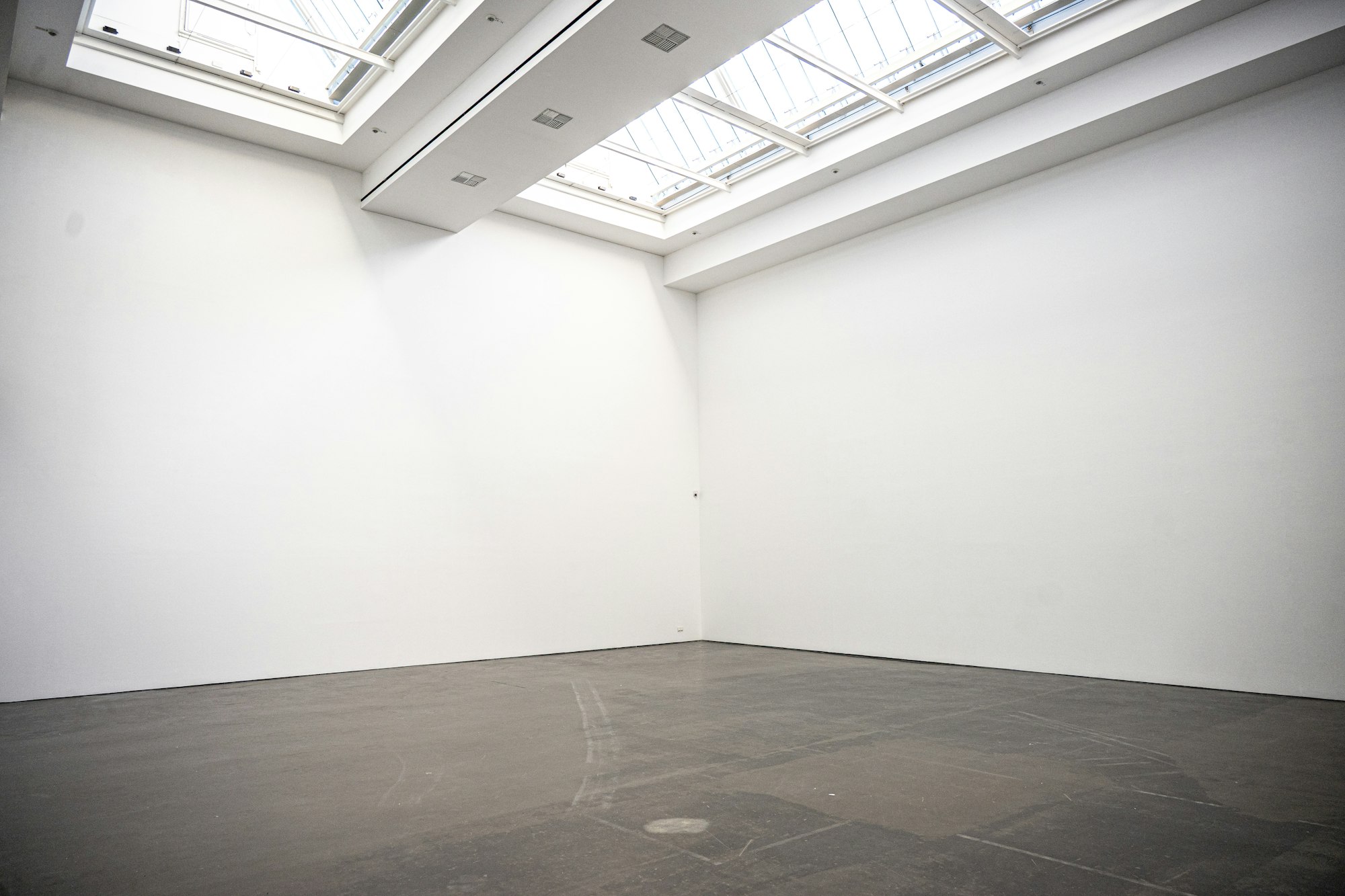
White box vs vanilla shell comes down to how much finished interior the landlord delivers before the tenant moves in. A gray shell (also called a cold or dark shell) is the bare structure with utilities brought to the space. A vanilla shell adds the basics a tenant needs to start finishing, like taped drywall, a ceiling, lighting, HVAC distribution and a restroom. A white box is usually the same idea as a vanilla shell, sometimes with paint and a few more finishes, and that overlap is exactly why these terms cause so many lease disputes.
I am Olivia Minarik, owner of Building Contractors United, and I wrote this guide for landlords and tenants who are about to sign a lease or a work letter and want to know what the words actually mean on a job site. We build out commercial spaces across Butler, Allegheny and Beaver Counties, and the most expensive misunderstandings we see start with a one-line description of the delivery condition. My husband, John "JT" Minarik, leads our commercial building work in the field.
Why these terms matter in a commercial lease
These terms matter because they decide who pays for which part of the build-out. The delivery condition in a lease is the line between landlord's work and tenant's work. Everything on the landlord's side of that line is paid for by the building owner, usually before the tenant takes possession. Everything on the tenant's side comes out of the tenant's pocket or out of a tenant improvement allowance.
The problem is that none of these terms has a legal definition in Pennsylvania or anywhere else. They are industry shorthand. A broker in Cranberry Township, a property manager in Moon Township and a national retailer's construction team can each use "vanilla shell" and mean three different scopes. When the lease says "landlord will deliver the premises in vanilla shell condition" and nothing else, both sides will fill in the blanks in their own favor.
That is why we tell every client the same thing. The name of the delivery condition is only a label. The scope exhibit attached to the lease is the real contract, and it should list every item by system.
What is a gray shell, cold shell or dark shell?
A gray shell is a space with a completed building envelope and almost nothing inside it. Some people call it a cold shell or a dark shell, and in many markets the three names are used interchangeably. Here is what a gray shell usually includes, and what it usually does not.
What a gray shell typically includes
A gray shell normally has the structure, the roof, the exterior walls, the storefront or entry doors, and a floor slab. Utilities such as water, sewer, gas and electric are brought to the space, often stubbed at one wall or at the property line, with the tenant responsible for distributing them. Sometimes the demising walls that separate one suite from another are framed, and sometimes they are not. Fire sprinkler mains may be present in a sprinklered building, but the heads are not laid out for any particular floor plan.
What a gray shell usually leaves out
A gray shell usually leaves out interior walls, drywall on the perimeter, ceilings, lighting, HVAC ductwork, restrooms and any floor finish. In some new buildings the slab is even left out in the tenant area so a restaurant or medical user can trench plumbing without cutting concrete. A tenant taking a gray shell is taking on a full build-out, including design, permitting and every trade.
Who a gray shell suits
A gray shell suits tenants with very specific needs and the budget to meet them. Restaurants, medical offices, labs and some retailers prefer it because they would tear out a landlord's generic finishes anyway. It also lets the landlord deliver space sooner and offer a larger tenant improvement allowance instead of doing the work themselves.
What is a vanilla shell?
A vanilla shell is a gray shell taken one step further, so the space is ready for the tenant's own finishes. It is the most common delivery condition for small office and retail suites in suburban strip centers and multi-tenant buildings, including many of the centers along the Route 19 and Route 228 corridors.
In most leases we see, a vanilla shell includes the following items. Treat this as a starting checklist for your scope exhibit, not as a definition.
Perimeter and demising walls framed, insulated where required, and finished with taped drywall, often primed and ready for paint.
A suspended acoustical ceiling grid, sometimes with tile installed and sometimes with tile stacked on site.
Basic lighting at a standard spacing, usually lay-in fixtures in the grid.
An electrical panel sized for typical office or retail use, with a limited number of outlets on the perimeter walls.
HVAC equipment sized for the space, with main ductwork and a basic diffuser layout.
At least one accessible restroom, or access to shared restrooms, meeting the accessibility requirements that apply to the building.
Fire sprinkler heads adjusted to a standard layout and fire alarm devices as the code requires for an open space.
A concrete floor that is level and ready for a floor covering.
What a vanilla shell usually does not include is anything tied to how one tenant will use the room. Interior offices, reception counters, break rooms, specialty lighting, extra circuits, data cabling, flooring, paint colors and signage are commonly the tenant's work. A vanilla shell gives you a clean, code-ready box. It does not give you a business.
White box vs vanilla shell: is there a difference?
The difference between white box vs vanilla shell is small and depends on who is using the terms. In many leases the two are identical. When there is a difference, a white box tends to be slightly more finished, with walls painted rather than primed, ceiling tile installed throughout, and sometimes a basic floor finish or a sealed slab.
How landlords tend to use the term
Landlords and listing brokers often use "white box" in marketing because it sounds more move-in ready than a vanilla shell. If you are a landlord, be careful with that. If your marketing flyer says white box and your lease exhibit says something less, a tenant may argue the flyer set the expectation. Match the words in the listing to the words in the lease, and attach the same scope to both.
How tenants should read the term
Tenants should read "white box" as a promise of a finished blank room and then ask for the details in writing. Ask whether walls are painted or primed, whether ceiling tile is installed, whether lighting is in place and working, whether the HVAC has been balanced for the space, and whether the restroom is complete. If the answer to any of those is "that is tenant work," you are really looking at a vanilla shell, and your budget for the build-out should reflect that.
Turnkey and second-generation space
Two more terms come up in the same conversations, and they sit at opposite ends of the scale. A turnkey delivery means the landlord builds the space to the tenant's approved plans, so the tenant moves in and starts operating. The landlord manages the contractor, and the cost is usually built into the rent or capped by an allowance with the tenant paying overages.
Second-generation space is a suite that was already built out for a previous tenant. It may have walls, finishes, restrooms and even kitchen equipment left in place. Second-generation space can save a lot of work if the old layout fits, but it can also hide problems. Old wiring, abandoned cabling above the ceiling, undersized HVAC and restrooms that were never brought up to current accessibility standards are common. When John Minarik walks a second-generation suite with a client, he looks above the ceiling and at the panel before anyone talks about paint colors.
Who pays for what in a tenant build-out
Who pays depends entirely on the lease, but the usual split follows the delivery condition. The landlord pays to bring the space to the agreed shell condition. The tenant pays for everything beyond it, often with help from a tenant improvement allowance.
Tenant improvement allowances
A tenant improvement allowance is money the landlord contributes toward the tenant's build-out. It may be paid directly to the contractor, reimbursed to the tenant after completion, or credited against rent. Read the allowance language closely. Some allowances can only be spent on hard construction costs, while others also cover design fees, permit fees, cabling or furniture. Some require lien waivers and a certificate of occupancy before the landlord releases funds.
Landlord's work versus tenant's work
The cleanest leases include a work letter with two columns, landlord's work and tenant's work, broken down by system. Structure, roof, envelope, utilities to the space, base HVAC, base electrical, restrooms, fire protection, ceilings, walls, lighting, data and finishes each get a line. When the scope is written that way, a contractor can price it, a landlord can budget it, and a tenant knows what their allowance has to cover.
When the shell is not actually finished
It is common for a tenant to take possession and find that the landlord's work is incomplete. The HVAC may not be connected, the panel may be smaller than expected, or the restroom may be roughed in but not finished. Before you sign off on delivery, walk the space with your contractor and compare it line by line to the scope exhibit. Document anything missing in writing. Once the tenant's contractor starts building, it gets much harder to sort out who owed what.
Permits, inspections and code for build-outs
Almost every commercial build-out in Pennsylvania needs a building permit, no matter which shell condition you start from. Commercial construction falls under the Pennsylvania Uniform Construction Code, and plans are reviewed either by the municipality's code official or by its third-party inspection agency. Where a municipality has not adopted the UCC for commercial work, the Pennsylvania Department of Labor and Industry handles the review.
The permit set for a tenant fit-out typically covers the floor plan, egress, accessibility, fire protection, electrical, mechanical and plumbing work. A change of use, for example turning a retail suite into a medical office or a small restaurant, can trigger more requirements than a like-for-like office fit-out, and may also need zoning approval. At the end, the space needs final inspections and a certificate of occupancy before the tenant can open.
Requirements and fee schedules differ by township. Cranberry Township and Moon Township each run their own processes, and smaller boroughs often use a third-party agency. Confirm the specifics with the municipality before you finalize your schedule, and let your contractor handle the submittal so the drawings match what will be built.
How to write the delivery condition into your lease
The best way to avoid a dispute is to define the delivery condition by system, attach it as an exhibit, and have a contractor review it before signing. Here is how we suggest landlords and tenants approach it.
1. Pick a label if you want one, then ignore it and write the scope. List what is included for structure, envelope, walls, ceilings, lighting, power, HVAC, plumbing, restrooms, fire protection and floors.
2. State capacities, not just presence. "Electrical service" means little. A panel size, voltage and number of circuits means a lot.
3. Name the codes and condition. Say that the landlord's work will be complete, code-compliant and inspected before delivery.
4. Describe how the tenant improvement allowance is paid, what it covers, and what paperwork releases it.
5. Set a walkthrough before possession, with a written punch list for anything incomplete.
6. Have a general contractor price the tenant's side of the line before the lease is signed, so the allowance is realistic.
That last step is the one people skip. A tenant who signs before getting a build-out estimate is negotiating blind. BCU gives you a free, itemized estimate after seeing the space, and we can review the landlord's scope exhibit at the same time so you can spot gaps while they are still negotiable.
Frequently asked questions
What is the difference between a white box and a vanilla shell?
In many leases there is no difference, and the terms are used interchangeably. When a difference exists, a white box is usually a little more finished, with painted walls, installed ceiling tile and sometimes a basic floor. Because neither term has a fixed definition, the scope exhibit in your lease decides what is included.
Is a gray shell the same as a cold shell?
Usually, yes. Gray shell, cold shell and dark shell all describe a completed building envelope with utilities brought to the space and little or no interior work. Some landlords draw small distinctions between them, so ask for a written list of what is and is not included.
Does a tenant build-out need a permit in Pennsylvania?
Yes, in nearly every case. Commercial interior work falls under the Pennsylvania Uniform Construction Code and is reviewed by the municipality, its third-party agency, or the Department of Labor and Industry. Changes of use can add zoning and code requirements. Confirm the specifics with your township.
Who pays for the build-out in a vanilla shell lease?
The landlord typically pays to bring the space to vanilla shell condition, and the tenant pays for everything beyond it. A tenant improvement allowance from the landlord often covers part of the tenant's share. The exact split depends on your lease and work letter.
Can BCU build out both the landlord's work and the tenant's work?
Yes. We handle nearly every trade on commercial build-outs and coordinate licensed plumbing, HVAC and electrical subcontractors for those three. Landlords hire us to bring suites to shell condition, and tenants hire us for the fit-out. Our commercial renovation and tenant build-out page explains how that works.
Get a clear scope before you sign
Building Contractors United is a woman-owned general contractor based at 64 Halstead Blvd in Zelienople, serving commercial clients in Cranberry Township, Moon Township and the rest of the region within about an hour. We are fully insured, registered as PA HIC #PA193140, and we back our work with a 2-year workmanship warranty. I am Olivia Minarik, and if you are weighing a gray shell, white box or vanilla shell suite, John Minarik and I will walk it with you, read the scope with you, and tell you plainly what the build-out will involve. Call (724) 900-4123 or request a free estimate.