How long does site preparation take before building? It depends on the site and the scope, and on how many approvals stand between you and the first bucket of dirt. A flat, open lot with public utilities at the road moves through site prep quickly. A wooded hillside in Butler County with clay over shale, a long driveway and a stormwater plan to approve moves through the same phases, but each one carries more work and more waiting. This guide breaks site preparation into its phases and explains what stretches each one, so you can plan around the parts you control.
I am John "JT" Minarik, Construction Manager at Building Contractors United, and I have been running equipment and managing job sites since 2009. Owners ask me about schedule more than almost anything else, usually before we have even walked the property. My honest answer is always the same: I will give you a realistic schedule with your estimate once I have seen the ground, because the ground decides most of it.
What site preparation actually includes
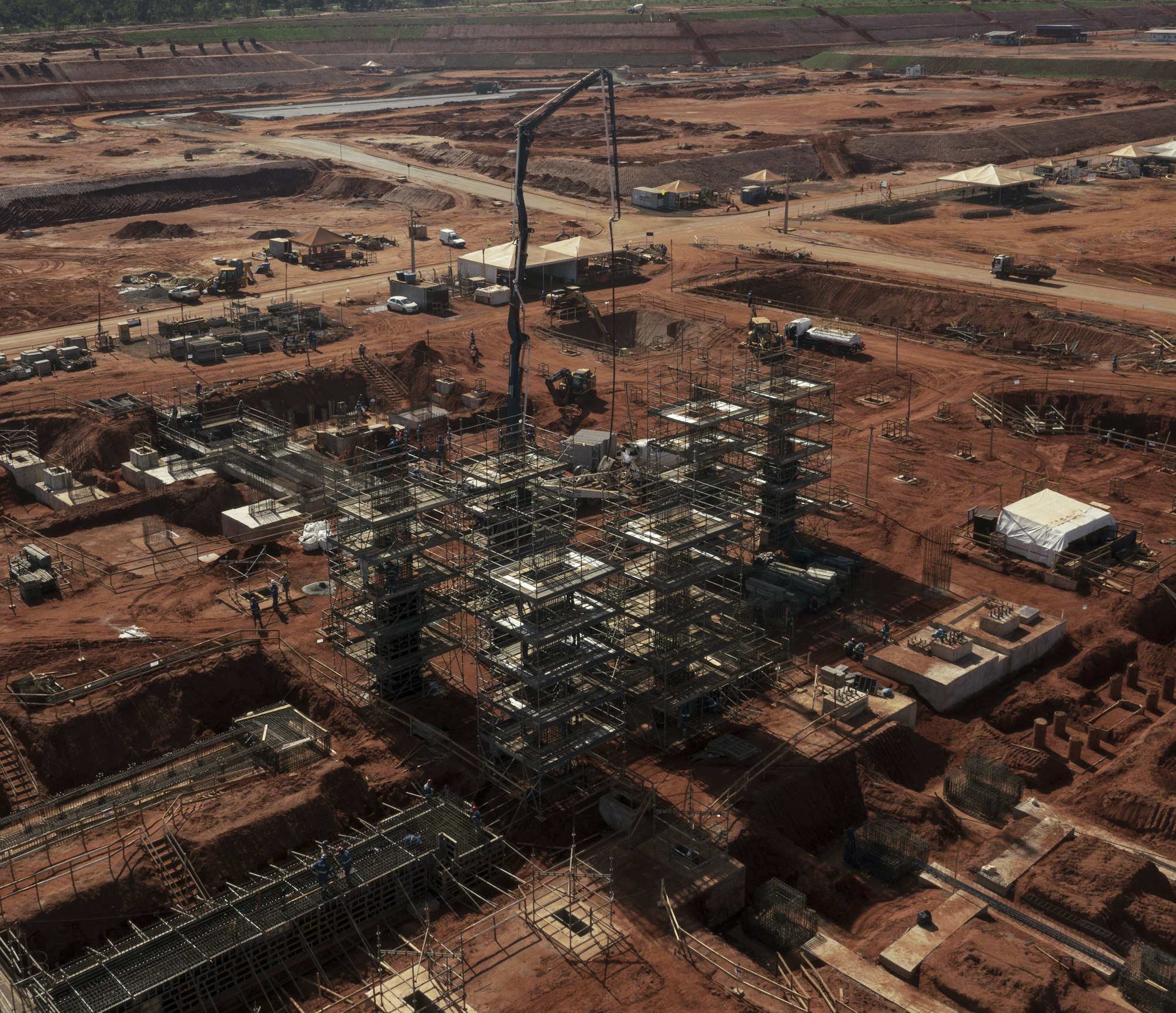
Site preparation is every step that turns raw land into a buildable, inspected pad with utilities ready to connect. People often picture an excavator digging a basement, but the dig is only one piece. On most of our excavation and site work projects, site prep covers:
Survey, staking and layout of the building, driveway and utility routes.
Permits, including township grading or zoning approval and erosion and sediment control plans where required.
PA One Call notification before any digging.
Installing erosion controls such as silt sock, a stone construction entrance and inlet protection.
Clearing trees, brush and stumps, and stripping topsoil.
Rough grading, which means cutting high areas and filling low areas to the planned elevations.
Compaction and, on many projects, compaction testing.
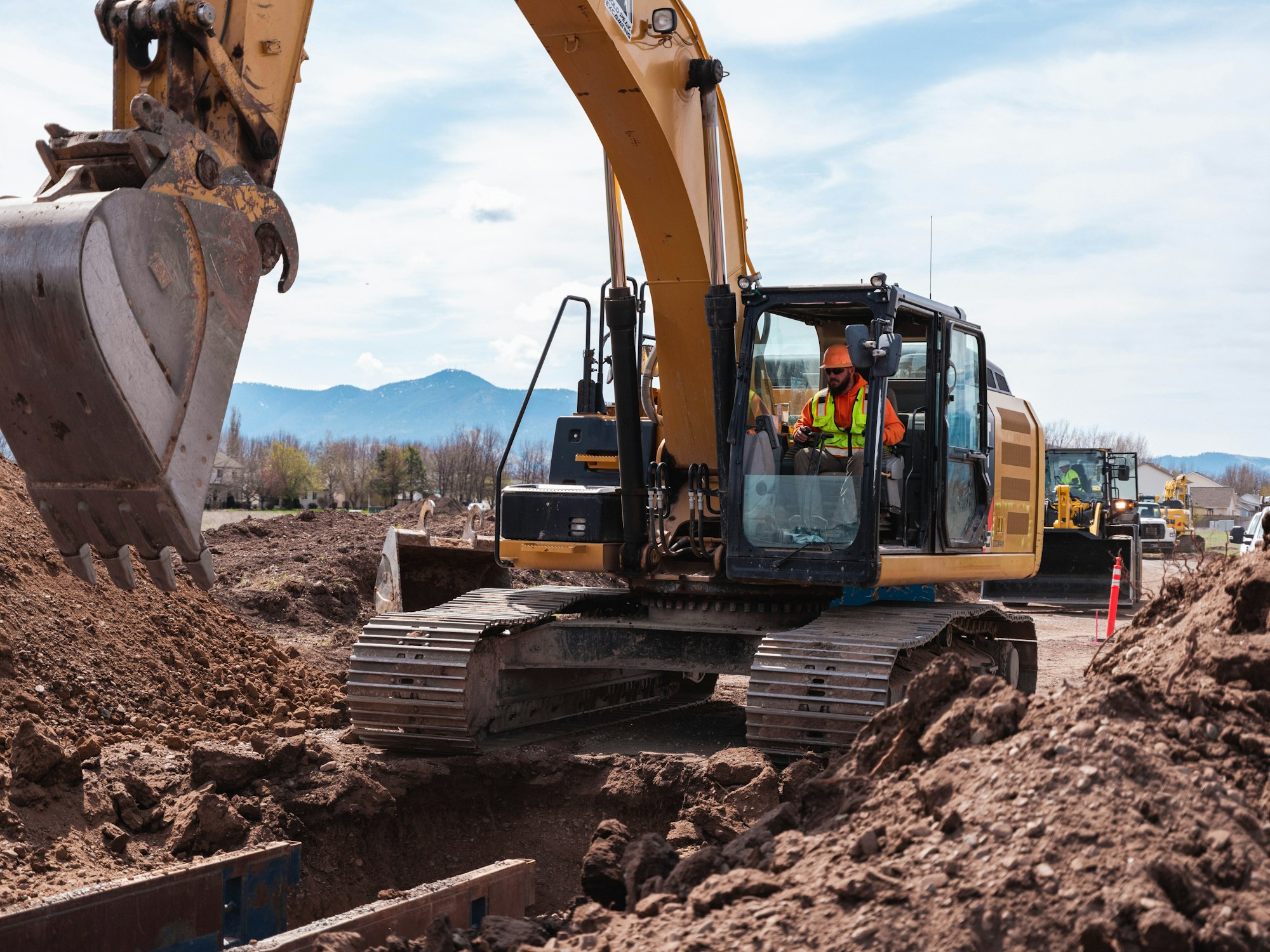
Trenching for water, sewer, electric and stormwater lines.
Foundation excavation and backfill.
Final grading, topsoil replacement and stabilization with seed and mulch.
Each of those steps has its own pace. Some are fast and predictable. Others depend on weather, inspectors and agencies that do not work on your calendar.
The paperwork phase: permits and approvals
The paperwork phase is often the longest part of site preparation, and it happens before any machine shows up. Owners are sometimes surprised that the slowest part of a dirt job happens at a desk.
Township permits
Pennsylvania permitting runs township by township. Cranberry Township, Adams Township, Jackson Township and the boroughs around Mars and Zelienople each have their own zoning rules, grading requirements and review process. Some municipalities need a grading permit for significant earth moving, some fold it into the building permit, and some require a full land development review for commercial sites. Review time depends on the municipality, how complete the submission is and how busy the reviewing engineer is that month. Always confirm current requirements with your township before you plan a start date.
Erosion and sediment control
Under Pennsylvania's Chapter 102 rules, earth disturbance generally requires a written erosion and sediment control plan once it reaches 5,000 square feet, and a disturbance of one acre or more generally requires an NPDES permit for stormwater discharges from construction. In Butler County, the Butler County Conservation District reviews these plans on behalf of PA DEP. If your project crosses the one acre line, plan for that review in your schedule, because no earth moving should start until the permit is in hand.
Stormwater under Act 167
Many townships enforce stormwater ordinances tied to Pennsylvania's Act 167 watershed planning. If your project adds driveway, roof and other impervious surface, the township may require a stormwater design with infiltration, detention or both. That design has to be engineered and approved before you build it, and on a sloped lot it can shape the whole grading plan.
How long does site preparation take once work starts?
Once permits are in hand, how long site preparation takes in the field depends mostly on soil, slope, weather and how much material has to move. Here is how each field phase behaves and what tends to stretch it.
Layout and PA One Call
Before we dig, we place a PA One Call request, and Pennsylvania law requires that notice at least three business days before excavation. The utility companies then mark their lines. Private lines such as a well line, an old septic pipe or a buried feed to a barn are not marked by PA One Call, so we ask owners what they know about the property and look for clues ourselves. Layout itself goes fast when a surveyor has set good control points.
Erosion controls
Erosion controls go in before clearing on most permitted sites. A stone construction entrance keeps mud off the road, silt sock or silt fence catches sediment on the downhill side, and inlet protection keeps dirt out of storm drains. On sites with an NPDES permit, the conservation district may inspect these controls, and we keep them maintained until the site is stabilized.
Clearing and grubbing
Clearing time depends on how many trees and stumps are on the lot and where the material goes. Open fields clear quickly. Mature woods take longer because trees have to be felled, cut, chipped or hauled, and stumps have to be pulled and disposed of. Burning rules vary by municipality, and many do not allow it, so hauling is often part of the plan.
Rough grading and the soil underneath
Rough grading is where western Pennsylvania soil shows its personality. Most lots north of Pittsburgh sit on heavy clay over shale. Clay that is dry and firm moves and compacts well. Clay that is wet turns into a sticky mess that will not compact and tears up the site every time a machine crosses it. After a few days of steady rain, the right call is often to stop and let the ground dry rather than push wet material into a fill that will settle later.
Shale is the other variable. On the ridges and hillsides along the Route 19 and Route 228 corridors, we often hit shale a few feet down. Soft shale can be ripped with the excavator. Harder layers need a hydraulic hammer, which slows production. You cannot know exactly where rock sits until you dig, which is why a geotechnical report or a few test pits early on can save time and argument later.
Compaction and testing
Compaction is done in lifts, which means placing fill in thin layers and compacting each one before adding the next. On commercial pads and many larger residential fills, a testing firm checks density as we go. Testing adds coordination time, but it is how you prove the pad will hold the building. Skipping it to save a day is a bad trade.
Utility trenching
Utility trenching speed depends on route length, depth and coordination with outside utilities. Water and sewer laterals may need a tap scheduled with the municipal authority. Electric service may need the power company to design and approve the route. Those outside schedules can control the pace more than the digging does.
Foundation excavation and backfill
Foundation excavation usually moves quickly once the pad is at grade. The footing inspection, the foundation pour and the waterproofing all have to happen before we backfill, so the dig and the backfill are separated by other trades and inspections. Good drainage at the footing and clean backfill material matter a great deal in clay country, where water sitting against a basement wall causes most of the trouble we see.
Final grading and stabilization
Final grading sets the surface so water runs away from the building, then topsoil, seed and mulch stabilize the ground. Permitted sites usually need vegetative cover established before erosion controls come out and the permit can be closed. Seed takes longer to catch in late fall and winter, which matters if you want to close out a permit before spring.
What makes site prep take longer
Most delays in site preparation come from a short list of causes, and several of them can be reduced with good planning. Here is what I see most often on sites around Cranberry Township, Mars and the rest of Butler County.
Wet weather and wet clay
Rain is the biggest variable on any dirt job. One storm can shut down grading for days on clay ground, and spring thaw can keep sites soft for a long stretch. We plan the sequence so that when the ground is wet, we work on tasks that do not need dry soil, such as setting erosion controls or staging pipe.
Rock
Unexpected shale or sandstone slows excavation and can change the equipment needed. Basements, deep sewer laterals and cuts into hillsides are where rock shows up most.
Unsuitable soil
Sometimes the ground under the topsoil is soft, organic or full of old fill. When a proof roll or an inspector finds that, it has to come out and be replaced with suitable material. That process is called an undercut, and it adds trucking and time.
Incomplete permit submissions
A submission that comes back with review comments goes to the bottom of the pile again. Complete, clean plans move faster. This is one reason we like to be involved before the plans go in, so the grading and erosion control design matches how the site will actually be built.
Utility company schedules
Power companies and water authorities run their own calendars. A utility tap or a transformer set can hold up a site that is otherwise ready. We request these early and keep following up.
Access and hauling
Tight sites, steep driveways and long haul distances to a dump site or borrow pit all slow production. A balanced site, where cut material is reused as fill on the same property, moves faster than one where every yard of dirt has to leave on a truck.
How to shorten your site preparation schedule
The best way to shorten site preparation is to make decisions early and get the right information before the machines arrive. These are the steps that make the biggest difference.
Get a survey and, when warranted, a geotechnical report. Knowing the boundaries, elevations and what is under the surface removes guesswork from both the estimate and the schedule.
Bring your contractor in before permits are filed. When the people who will move the dirt review the grading plan, they catch problems that would otherwise show up as change orders or resubmissions.
Use winter for paperwork. Permit reviews and design work can happen while the ground is frozen, so you are ready to dig when conditions improve.
Order utilities early. Start conversations with the power company and the water or sewer authority as soon as you know where the building sits.
Hire one contractor for the dirt and the building. When the same team handles site work and construction, there is no gap between the excavator leaving and the builder showing up, and nobody argues about whose grade is wrong.
From the field: why I will not guess a schedule over the phone
The honest answer to a schedule question comes after a site walk, not before. I have stood on lots in Mars that looked simple from the road and found a spring line halfway down the slope. I have walked wooded parcels that looked like a big clearing job and turned out to have a clean, gentle grade underneath that moved fast. What I look for on that first walk is where water goes, how steep the ground is, where trucks can get in and out, what the trees and vegetation say about the soil, and how far the utilities have to travel. That walk is what lets John Minarik put a real schedule next to a real price, instead of a hopeful one.
Frequently asked questions
How long does site preparation take for a new home?
How long site preparation takes for a new home depends on the lot, the soil, the weather and how long permits take in your township. A cleared, level lot with public utilities moves faster than a wooded hillside with a well, septic and a long driveway. BCU gives you a realistic schedule with your free estimate after seeing the site.
Can site work start before the building permit is issued?
Sometimes, but it depends on the municipality and the scope. Some townships allow clearing or grading under a separate permit, while others require all approvals first. If your project needs an erosion and sediment control plan or an NPDES permit, earth disturbance should not begin until those approvals are in place. Confirm with your township before you plan any early work.
Does weather really affect site preparation that much?
Yes. Clay soil around Pittsburgh and Butler County loses its ability to compact when it is wet, and working it anyway leads to settlement later. Frozen ground also limits what can be done. A good contractor plans around weather rather than forcing work that will have to be redone.
Do I need a geotechnical report for site prep?
Most commercial projects and many larger residential projects benefit from one, and some lenders, engineers or townships require it. A geotechnical report tells you about rock depth, groundwater and soil bearing capacity, which affects both the schedule and the foundation design.
Who handles the permits for site work?
On BCU projects, we coordinate the permits and inspections with the owner and the design team, and we work with the engineer who prepares any erosion and sediment control or stormwater plans. The owner's involvement is usually limited to signing applications and making design decisions.
Get a real schedule for your site
Building Contractors United is a woman-owned general contractor based in Zelienople, and excavation and site work are at the center of what we do. We serve Cranberry Township, Mars and communities across Butler, Allegheny and Beaver Counties. We are fully insured, registered as PA HIC #PA193140, and we back our work with a 2-year workmanship warranty. If you want to know how long site preparation will take on your property, John Minarik will walk the site with you and put a realistic schedule in writing next to your price. Call (724) 900-4123 or request a free estimate.