The core difference in design-build vs design-bid-build is who you hire and when: with design-build you hire one team that designs and builds the project under a single contract, and with design-bid-build you hire an architect first, finish the drawings, then send them out to contractors for bids and hire a builder separately. Both methods produce good buildings. They differ in how decisions get made, who carries the risk when something in the drawings does not work in the field, and how early you learn what the project will really cost. This guide compares the two side by side and explains when each one fits.
I am Olivia Minarik, and I founded Building Contractors United in 2024. A lot of the owners who call us have already spent months on drawings before anyone with a shovel looked at the site, so I wanted to lay out both paths honestly. We offer design-build, but we also build from other people's plans, and I would rather you pick the right method than the one we happen to sell. My husband, John "JT" Minarik, runs our crews in the field.
What is design-bid-build?
Design-bid-build is the traditional three-step delivery method where design, bidding and construction happen one after another with separate contracts. It has been the default for decades, and it is still how most public projects in Pennsylvania are delivered.
Step one: design
You hire an architect, who usually brings in structural, civil and mechanical engineers. Together they take your project from a rough idea to a full set of construction documents. You meet with the design team, review layouts, choose systems and approve the drawings. During this phase there is typically no contractor at the table, so pricing feedback comes from the architect's experience or a separate cost estimator if you hire one.
Step two: bid
Once the drawings are complete, they go out to general contractors. Each contractor prices the same set of documents, and you compare the bids. In private work you can choose whoever you like. Public owners are often required to award to the lowest responsible bidder, which is one reason the method is so common on schools and municipal buildings.
Step three: build
You sign a construction contract with the winning bidder, and the contractor builds what is on the drawings. The architect usually stays involved to answer questions, review submittals and observe the work. If the drawings are unclear or a field condition does not match them, the contractor submits a request for information, the architect responds, and any added cost comes back to you as a change order.
What is design-build?
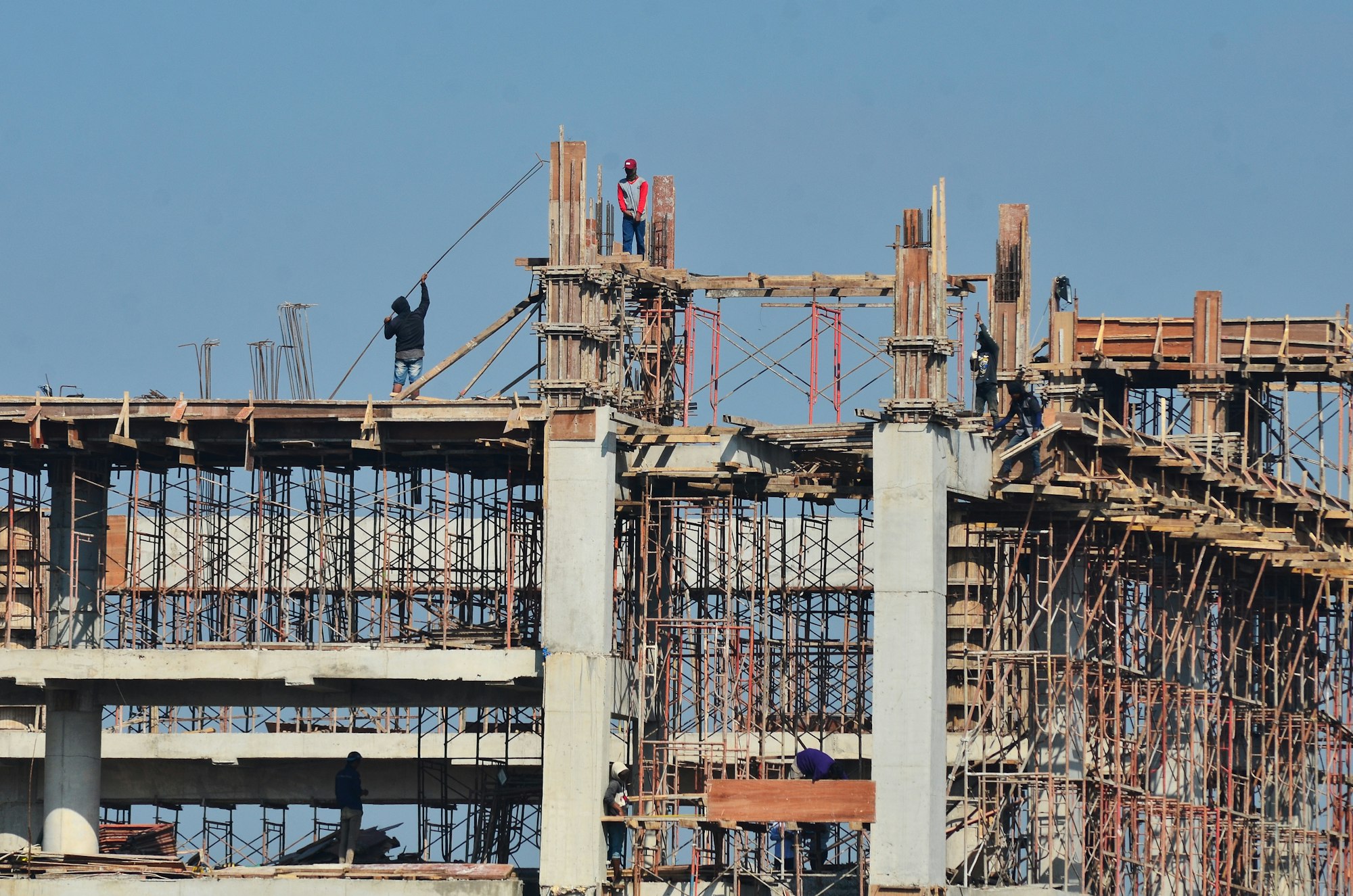
Design-build is a delivery method where one company is responsible for both the design and the construction under one contract. Instead of three separate phases with handoffs, the design and the pricing develop together.
In a design-build project, the builder is involved from the first meeting. The design professionals, whether they are on staff or partners the builder brings in, draw the project while the builder prices it and checks it against the site. If a layout choice adds cost without adding value, you hear about it while it is still a line on a drawing instead of after the foundation is poured. When something in the field does not match the plan, there is no argument over whose fault it is, because the same team owns both.
At BCU, our process runs in four stages: Consult, Estimate, Build and Walkthrough. The consult is where we walk the site and hear what you need. The estimate is a free, itemized number tied to the design as it develops. The build is the work itself, and the walkthrough is where we review the finished project with you before closeout. John Minarik, our Construction Manager, is on site from the first walk, so the person who will run the job is shaping the plan from day one.
Design-build vs design-bid-build: a side-by-side comparison
Design-build vs design-bid-build comes down to five practical differences: number of contracts, when you get pricing, how changes are handled, how much control you have over design details, and how the schedule overlaps.
Contracts. Design-build gives you one contract and one point of contact. Design-bid-build gives you at least two, one with the architect and one with the contractor.
Pricing. In design-build, cost feedback starts at the first meeting. In design-bid-build, you get firm pricing only after the drawings are finished and bid.
Responsibility for errors. In design-build, the builder owns design gaps. In design-bid-build, gaps between the drawings and the field usually become change orders that the owner pays.
Design control. Design-bid-build gives the owner an architect who works only for them, which some owners prefer for complex or signature buildings. In design-build, the designer and builder work together for you.
Schedule. Design-build lets site work, permits and early orders overlap with final design. Design-bid-build runs the phases in sequence, with a bid period in the middle.
When design-bid-build is the right fit
Design-bid-build is the right fit when you need competitive bids on a fixed set of drawings, or when you want an independent architect advocating for you through construction.
Public and institutional projects
Many public owners are required to competitively bid construction work. If you are a school district, a borough or an authority, design-bid-build or a close variant is often the only option your procurement rules allow. Confirm the rules that apply to your organization with your solicitor before you choose a method.
Owners who already have complete drawings
If you already paid for a full set of construction documents, it makes sense to put them out to bid. A good contractor can still add value at that stage by flagging site issues, suggesting alternates and pricing the work clearly. We regularly price projects from an owner's existing plans, and we will tell you plainly where we see risk in them.
Highly custom or architecturally driven buildings
Some owners want an architect who works only for them, especially on a building where the design itself is the point. Design-bid-build keeps that relationship separate from the builder. The trade-off is that cost feedback comes later, so it helps to bring in a contractor for informal preconstruction review before the drawings are finished.
When design-build is the right fit
Design-build is the right fit when budget certainty, speed and a single point of responsibility matter more to you than running a formal bid.
Projects where the site drives the design
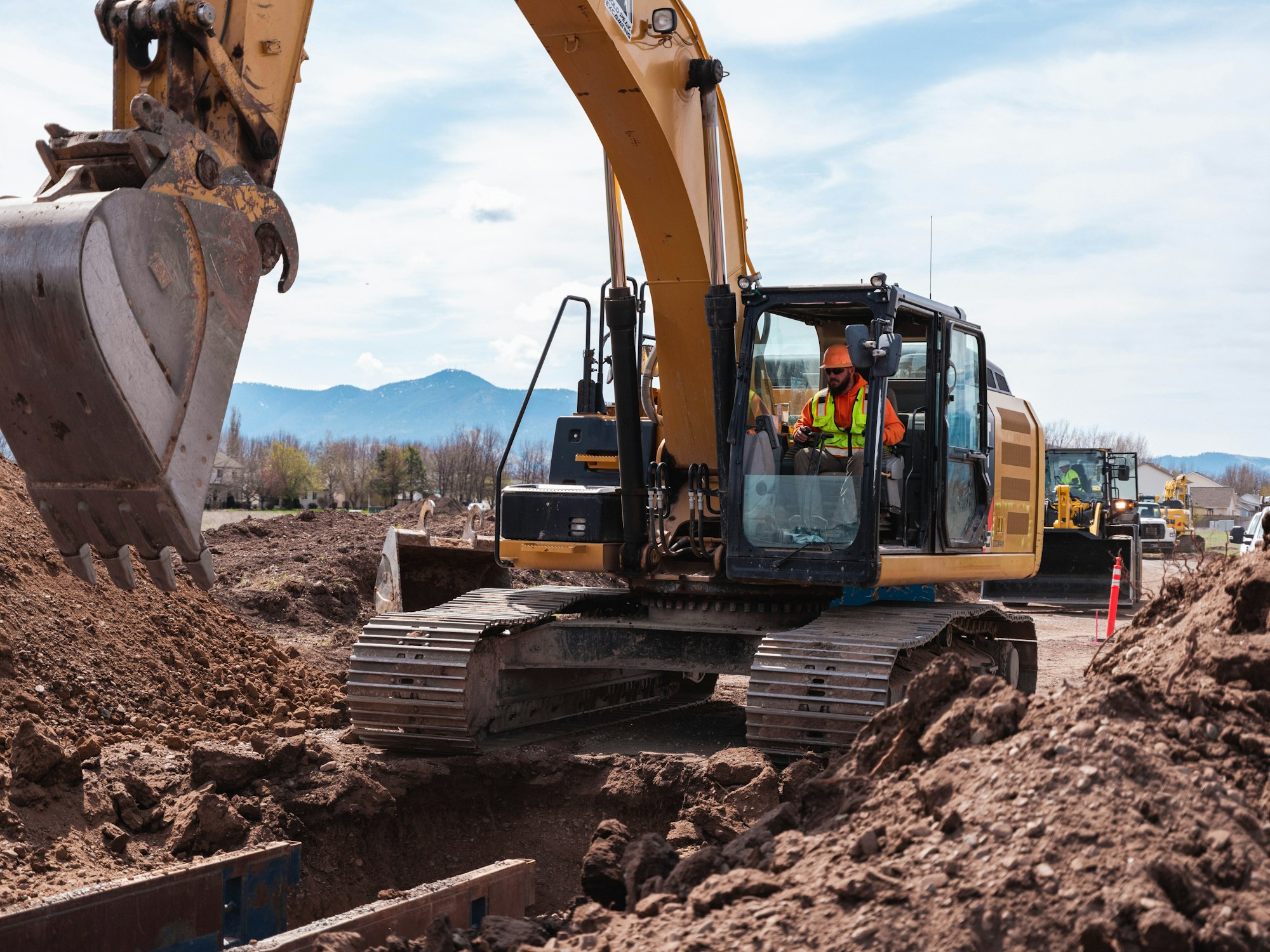
North of Pittsburgh, the site often decides more than the floor plan does. Clay over shale soils, hillsides, stormwater rules under Act 167 and erosion and sediment control requirements reviewed by the Butler County Conservation District all shape where a building can sit and what it costs. Because excavation and site work are core to what we do, our design-build projects start with the dirt. That avoids the common design-bid-build problem of a beautiful plan that does not fit the grade.
Owners who want one point of contact
Business owners and homeowners are busy. With design-build, you are not stuck relaying questions between an architect and a contractor, and you are not refereeing disagreements about who should pay for a fix. I answer the phone, JT runs the field, and the design work lives inside the same project. We handle nearly every trade ourselves, except plumbing, HVAC and electrical, which we coordinate with licensed subcontractors under our schedule.
Projects with a firm budget
If you have a number you cannot exceed, design-build lets you design to that budget instead of designing first and hoping the bids come in. When an option pushes the estimate over, we can show you the trade-off right away and offer alternatives. That is much easier than redesigning after a round of bids comes back high.
Commercial and custom residential work
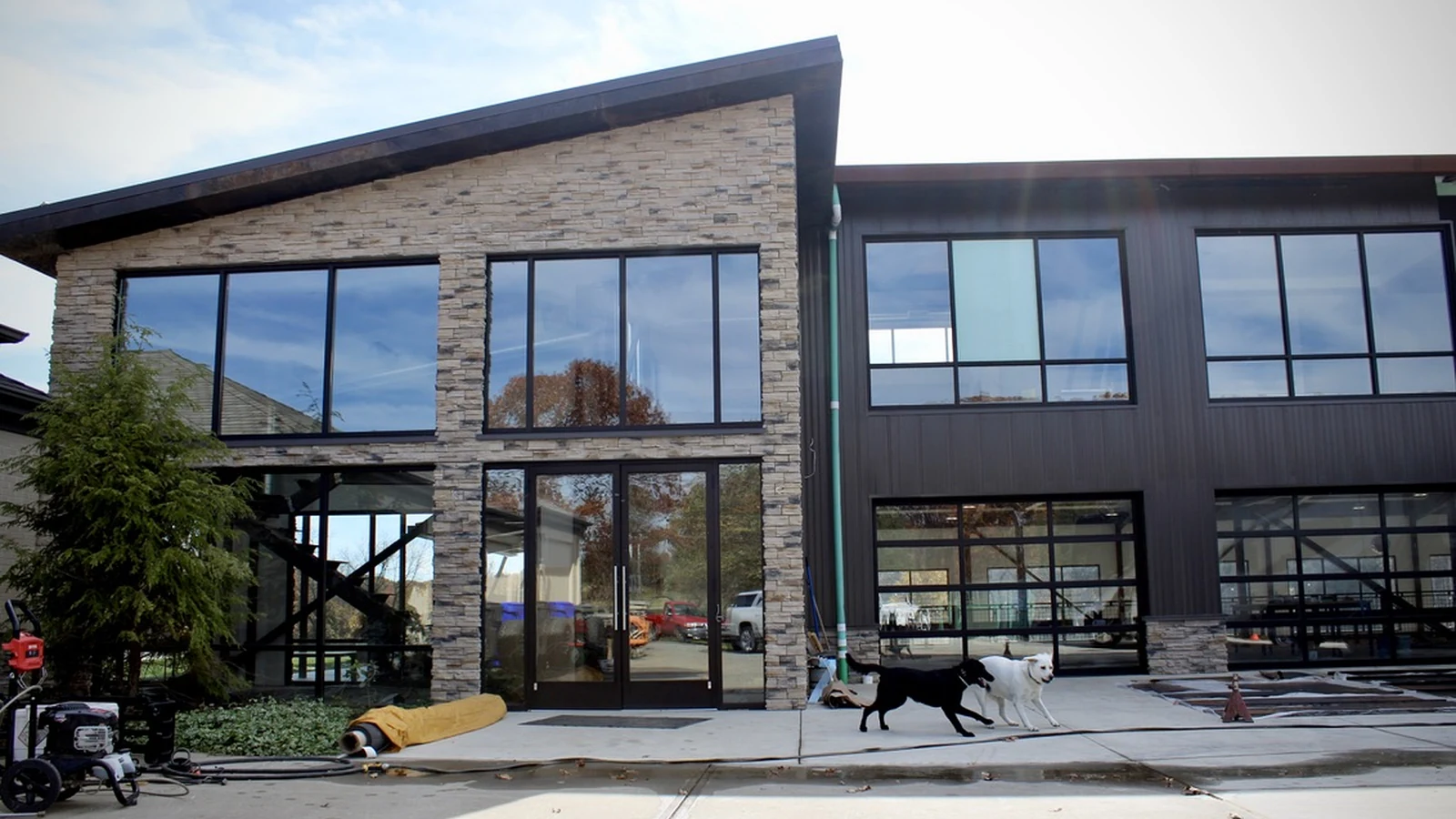
We use design-build on commercial buildings, tenant build-outs, custom homes and additions across Butler County, Allegheny County and Beaver County. One example is the modern steel-and-stone custom home with an indoor sports court that BCU helped design and built from the ground up for Craig Cozza of Cozza Enterprises. Projects like that benefit from having the builder involved while the design is still flexible, because structure, site and finish decisions all affect each other.
How each method handles cost and risk
Design-build puts more of the coordination risk on the builder, while design-bid-build leaves more of it with the owner.
In design-bid-build, the contractor's bid covers what is shown on the drawings. Anything missing, unclear or in conflict becomes a change order. That is not a sign of a bad contractor. It is how the method is built. The lowest bid can also be the one that read the drawings most narrowly, so comparing bids takes care. Ask every bidder what they excluded, what they assumed and what they think is missing.
In design-build, the builder is responsible for delivering a complete project that matches the agreed scope. That does not mean the price can never change. If you add a room or upgrade a finish, the price changes. But gaps between design and construction are the builder's problem to solve, not yours. Our estimates are itemized so you can see where the money goes, and we call before anything changes rather than after.
A note on fees
Owners sometimes assume design-build must cost more because the builder is also handling design. In practice, the comparison depends on the site and scope. Design-bid-build has separate architect fees and often a longer overall process. Design-build folds design into one agreement. The better question is which method gives you the clearest picture of total cost early, and for most private projects in our area, that is design-build.
How the schedule differs
Design-build usually reaches the finish line sooner because phases can overlap, while design-bid-build runs each phase in order.
With design-bid-build, construction cannot start until design is finished, the project is bid and a contract is signed. With design-build, we can start township conversations, conservation district submissions, PA One Call coordination and early site work while final design details are being settled. On commercial projects in places like Cranberry Township, where land development approval and stormwater review can take real time, starting those conversations early is one of the biggest advantages. We give you a realistic schedule with your estimate, built around your township's process and your site.
Questions to ask before you choose
The right method depends on your project, your organization and your appetite for managing the process yourself. These questions help sort it out.
1. Are you required by law or policy to competitively bid the work?
2. Do you already have finished, permit-ready drawings?
3. How firm is your budget, and when do you need a reliable number?
4. Do you want one contract and one point of contact, or separate relationships with a designer and a builder?
5. How complicated is the site, and who will be responsible if it does not match the plan?
6. Do you have time to manage questions between an architect and a contractor during construction?
If your answers lean toward a firm budget, a tricky site and one point of contact, design-build is likely the better fit. If you need formal bids or already have complete plans, design-bid-build makes sense, and we are happy to price your drawings.
Frequently asked questions
What is the main difference between design-build and design-bid-build?
The main difference is the number of contracts and the timing. Design-build uses one contract with one team responsible for design and construction. Design-bid-build uses separate contracts with an architect and a contractor, and the contractor is hired only after the design is finished and bid.
Is design-build faster than design-bid-build?
Design-build is usually faster because permitting, site work and early orders can overlap with final design, and there is no separate bid period. Actual timing depends on the site, the township and the scope, and BCU provides a realistic schedule with your free estimate.
Can I use design-build for a home addition or custom home?
Yes. Design-build works well for additions and custom homes, especially on sloped or difficult lots where the site affects the design. Having the builder involved early helps keep the plan practical and the budget clear.
Do I lose control of the design with design-build?
No. You still approve the layout, materials and finishes. The difference is that each decision comes with pricing feedback right away, so you can see what it does to the budget before it is locked in.
Will BCU bid on my architect's drawings?
Yes. If you already have drawings, we will review them, walk the site and give you a free, itemized estimate. We will also tell you where we see gaps or site risks in the plans so there are fewer surprises once work starts.
Talk through your project with BCU
Building Contractors United is a woman-owned general contractor based at 64 Halstead Blvd in Zelienople, serving about a one-hour radius from greater Pittsburgh and Venetia north to Grove City. We are registered as PA HIC #PA193140, fully insured with general liability and workers' compensation, and we back our work with a 2-year workmanship warranty. Whether design-build or design-bid-build fits your project better, you will get a straight answer from me, Olivia Minarik, and John Minarik will walk the site with you. Call (724) 900-4123, Monday to Friday from 7 AM to 5 PM, or request a free estimate.