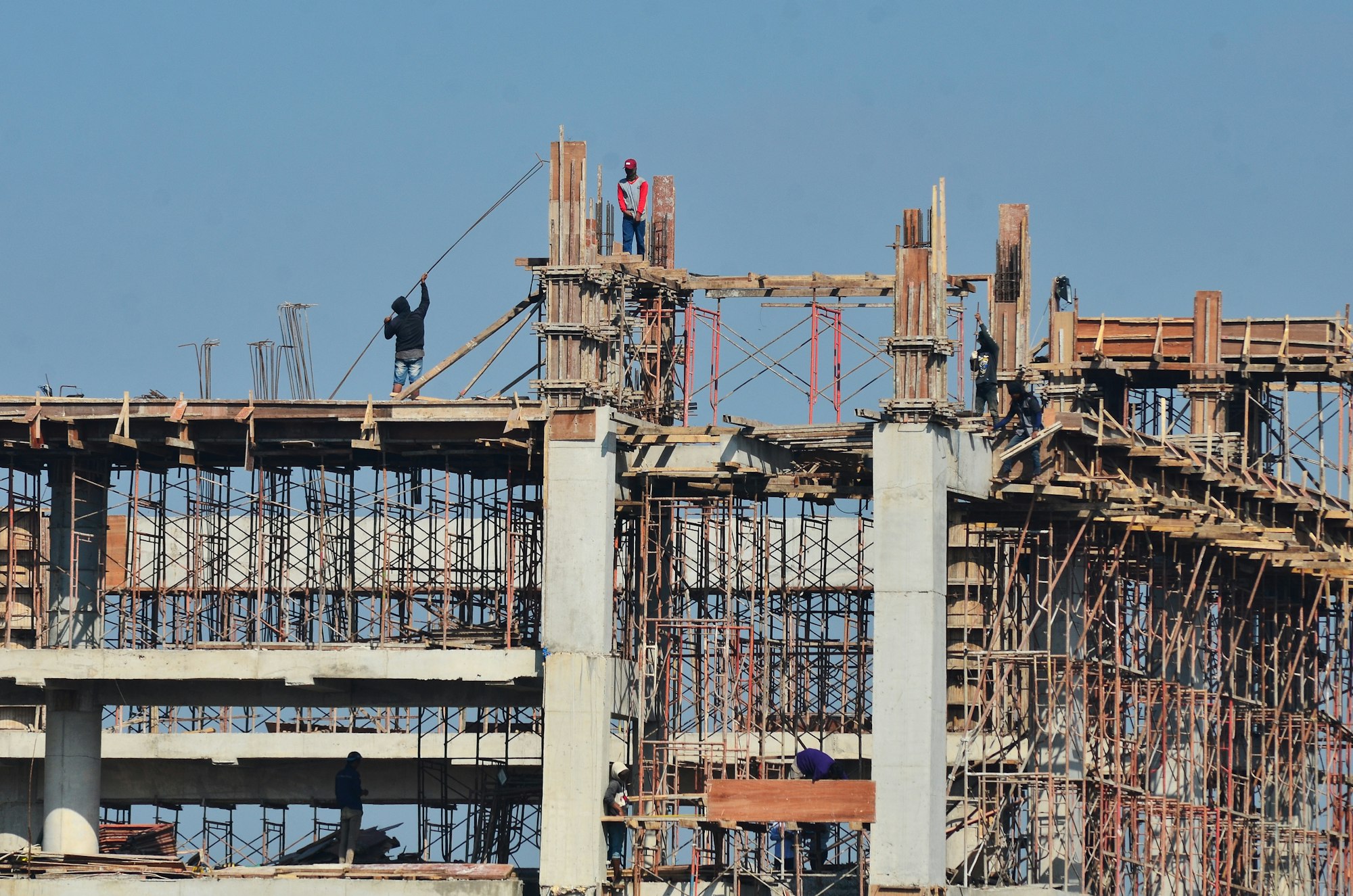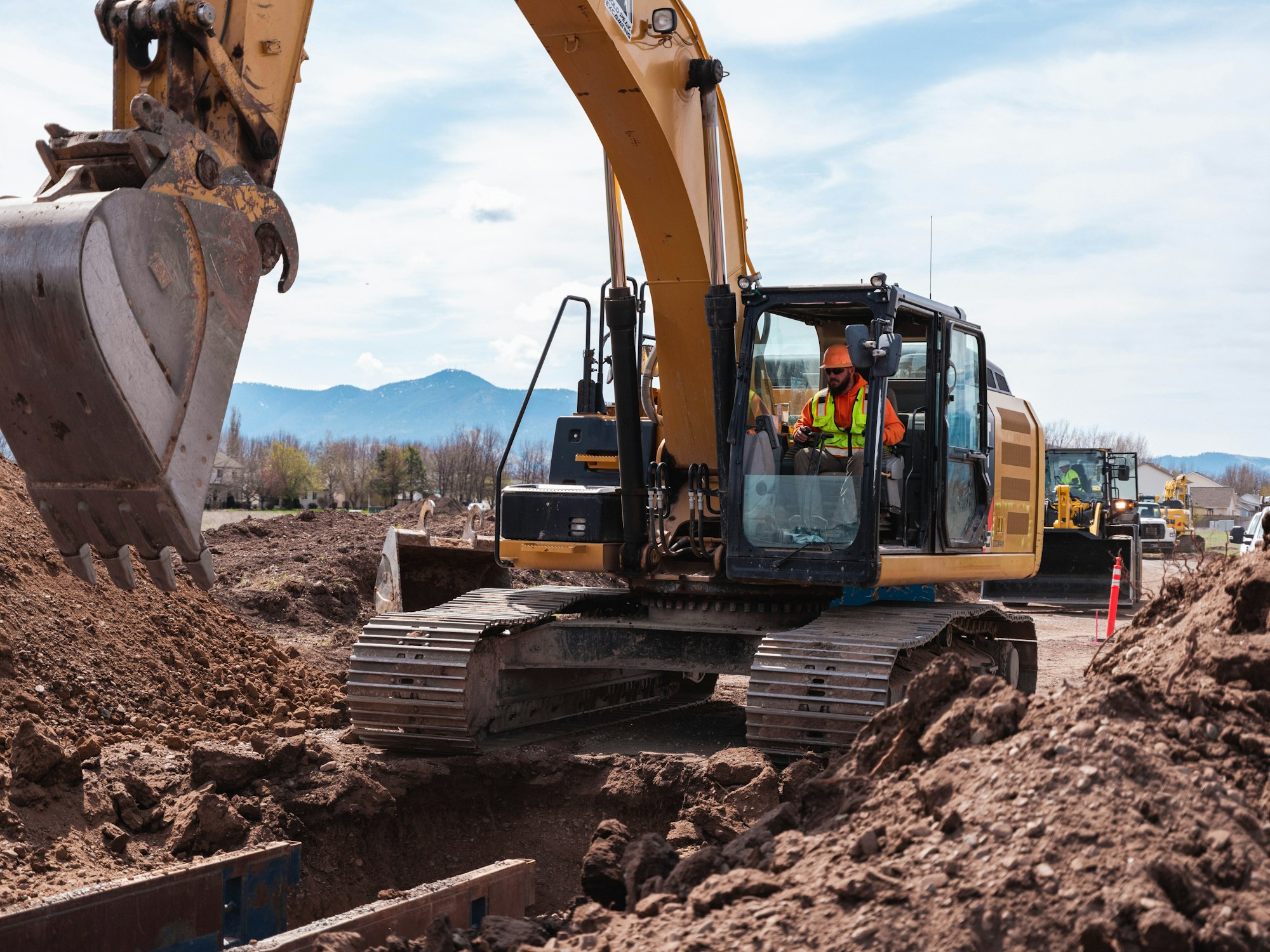
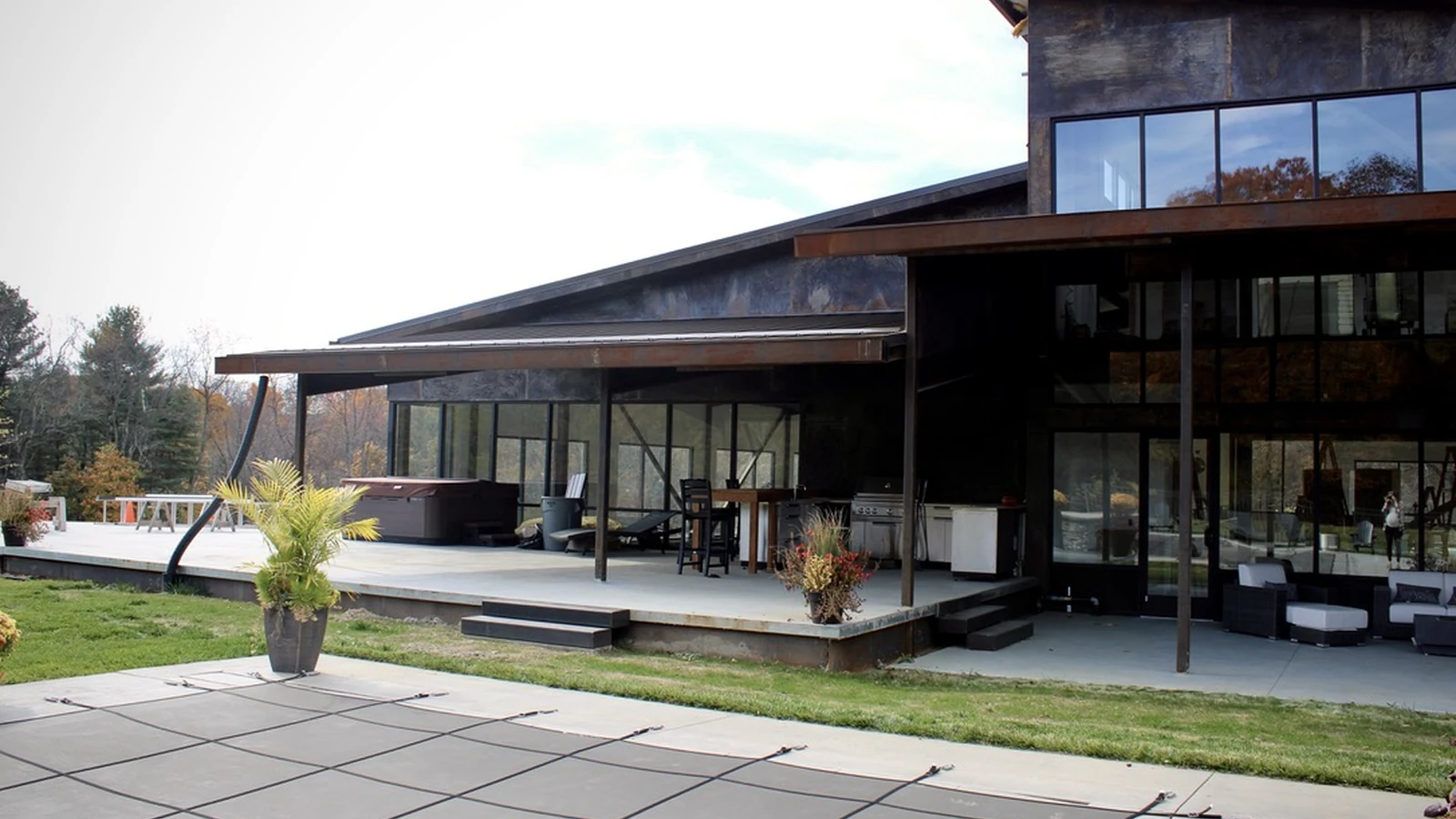
The most important questions to ask a design-build contractor are who designs the project, who carries responsibility when the drawings and the field do not match, how the budget is set and tracked during design, what happens if you stop after design, and who you will actually talk to every week. Those five answers tell you more about a design-build firm than any brochure. This guide gives you the full list of questions, grouped by topic, along with what a good answer sounds like and what should make you pause before you sign. If you are still deciding whether this delivery method fits your project, our design-build services page explains how BCU runs it.
I am Olivia Minarik, and I founded Building Contractors United in 2024. I sit across the table from owners at the very start of a project, before anything is drawn, and the people who ask hard questions early are almost always the ones who end up happiest at the end. I would rather you grill us now than feel surprised later. My husband, John "JT" Minarik, runs our crews in the field.
Why the questions to ask a design-build contractor matter more than the price
The questions you ask a design-build contractor matter more than the first number you hear, because in design-build the price is not fully known until the design is far enough along to measure. On a traditional bid, you hand finished drawings to three contractors and compare totals. In design-build, you hire one team to take you from an idea to a finished building, and the design and the budget develop together. That means you are choosing a process and a set of people more than a fixed number.
That is not a weakness. It is the whole point. When the people pricing the work are in the room while it is being designed, they catch expensive details early, they know what the soil on a Butler County hillside will need before the foundation is drawn, and they can tell you which choices move the budget and which do not. But it only works if the contractor is open about how they handle money, changes and responsibility. The questions below are how you find that out.
Questions about the design team
The first thing to ask a design-build contractor is exactly who will design your project and what credentials they hold. Design-build firms are set up in different ways. Some have architects or engineers on staff. Many, including smaller regional builders, partner with licensed architects and engineers they work with regularly. Both models can work well. What matters is that you know which one you are getting and that licensed professionals stamp the drawings where Pennsylvania requires it.
Who prepares the drawings, and who stamps them?
A good answer names the people or firms involved and explains which drawings need a licensed design professional's seal. Commercial projects and many larger residential projects require sealed drawings for the building permit under the Pennsylvania Uniform Construction Code. A vague answer like "we take care of all that" is not enough. Ask for names.
Will the designer visit the site?
You want to hear yes. A designer who has walked your lot understands the slope, the drainage, where the sun sits and how a truck gets in. In our part of Western Pennsylvania, with clay over shale and a lot of hillsides, a design drawn without a site visit often needs to be reworked once excavation starts. At BCU, John Minarik, our Construction Manager, walks the site early so the field side of the team is part of the design conversation from day one.
How many rounds of revisions are included?
A clear answer gives you a number or a defined process, and it explains what happens if you need more. Revisions are normal. The problem is when nobody said how many were included and the extra rounds show up as a surprise.
Questions about budget and pricing
The budget questions to ask a design-build contractor are about how the number is built, when it becomes firm, and how you will see it change along the way. Because design and pricing happen together, you should understand the rules before you start.
How do you set the target budget at the start?
A good answer sounds like this: the contractor asks for your budget early, explains what is realistic for your goals on your site, and tells you plainly if the two do not match. You should be wary of a contractor who will not talk about money until the drawings are finished. That is how owners end up paying for a design they cannot afford to build.
When does the price become firm?
Ask at what stage of design the contractor will commit to a price, and in what form. Some firms give a guaranteed maximum, some a fixed price once drawings reach a certain point, some a cost-plus arrangement with an estimate. There is no single right model, but the contractor should explain theirs in plain language and put it in writing.
How will I see costs as the design develops?
The best answer is an itemized estimate that is updated as the design changes, so you can see that adding a window wall or changing the roof pitch moved a specific line. At BCU, we give owners a free, itemized estimate after seeing the project, and we keep it itemized so you can make trade-offs with real information. If a contractor only ever shows you one total, you cannot tell where your money is going.
What is not included?
This question is underrated. Ask directly about permit fees, utility connection fees, engineering, survey, geotechnical work, landscaping, appliances and allowances. A trustworthy contractor will tell you what sits outside the price instead of waiting for you to find out.
Questions about responsibility and risk
The single biggest advantage of design-build is that one company is responsible for both the design and the construction, so the most useful question is how that responsibility is written into the contract. In a traditional arrangement, if the drawings miss something, the owner often ends up in the middle of an argument between the architect and the builder. In design-build, there should be no one else to point at.
If something in the drawings does not work in the field, who pays to fix it?
Listen closely to this answer. A confident design-build contractor will say that coordination between design and construction is their job. If the answer shifts the risk back to you for things that were inside their scope, ask why.
Are you licensed and insured, and can I see it?
In Pennsylvania, contractors doing home improvement work must be registered with the Attorney General's office under the Home Improvement Consumer Protection Act. BCU's registration is PA HIC #PA193140. Ask for proof of general liability and workers' compensation insurance, and check that the certificate is current. We are fully insured for both, and we hand that over without anyone having to chase it.
What warranty do you give, and what does it cover?
A good answer is specific about the length and what is covered. BCU backs its work with a 2-year workmanship warranty. Ask any contractor how warranty calls are handled, who you call and how quickly they respond.
Questions about permits and site conditions
You should ask a design-build contractor who handles permits and how they deal with local rules, because in Western Pennsylvania the rules change from one township to the next. In Butler County and Allegheny County, each municipality either runs its own code office or contracts a third-party inspection agency, and they set their own fees, review steps and zoning requirements.
Who pulls permits and schedules inspections?
The answer should be the contractor. In design-build, the team that drew the project is the best one to answer the plan reviewer's questions. Ask whether they have worked in your municipality before and what that office typically asks for.
How do you handle stormwater and erosion control?
Projects that disturb earth often need an erosion and sediment control plan, and larger disturbances can require review by the county conservation district under PA DEP rules. In Butler County, that means the Butler County Conservation District. Many townships also have stormwater ordinances adopted under Act 167. A good contractor will raise this early, explain when it applies and build it into the plan. Rules vary, so always confirm the specifics with your township.
What happens if you hit rock or bad soil?
North of Pittsburgh, digging a few feet down often means heavy clay and then shale. A good answer explains how the contractor investigates the site before pricing the foundation and how unforeseen conditions are handled in the contract. Because excavation and site work are core to what BCU does, this is a conversation we are comfortable having in detail.
Questions about communication and the schedule
The communication question to ask a design-build contractor is simple: who is my point of contact, and how often will I hear from them? The answer tells you how the next many months will feel.
Who will I talk to week to week?
You want a name, not a department. At BCU, JT handles estimates, contracts, change orders and the field, and I lead business planning and development. Owners know exactly who to call for what.
How will you give me a schedule?
Ask for a realistic schedule with the estimate, along with the things that could move it: permit review time, material lead times, weather and inspection scheduling. Be cautious of anyone who promises a finish date before they have seen the site or the drawings. We give a realistic schedule with your estimate, and we tell you when something changes.
How do you handle changes during construction?
A good answer describes a written change order that states the cost and schedule impact before the work is done. Changes are normal. Surprise invoices are not.
A quick checklist before you sign
Before you sign a design-build agreement, make sure you can answer yes to each of these.
I know who is designing the project and who will seal the drawings.
I understand how the budget is set, when the price becomes firm, and in what form.
I have seen how estimates are itemized and what is excluded.
The contract states that the contractor is responsible for coordinating design and construction.
I have the contractor's PA HIC registration number and current insurance certificates.
The warranty length and coverage are in writing.
I know who pulls permits and how stormwater and erosion control will be handled.
I know my point of contact and how changes will be documented.
I know what happens, and what I own, if I stop after the design phase.
That last item deserves its own conversation. Some owners finish design and then pause for financing or other reasons. Ask what you receive at the end of design and whether you can use those drawings if you do not move forward together. A fair contractor will have a clear answer.
What good answers sound like at BCU
Good answers are specific, written down and consistent from the first meeting to the contract. When owners ask us these questions, here is how we answer. We walk the site before we price anything. John Minarik, who has been in the field since 2009, is part of the design conversation so the plan reflects how the building will actually go together. We keep the estimate itemized, we tell you what is excluded, and we give you a realistic schedule with it. We pull the permits. We handle nearly every trade ourselves and coordinate licensed plumbing, HVAC and electrical subcontractors for those three, so you deal with one team. We have completed more than 100 projects, from interior commercial renovations to a modern steel-and-stone custom home with an indoor sports court that we helped design and built from the ground up.
We work across Butler, Allegheny and Beaver Counties, from greater Pittsburgh and Venetia north to Grove City. Owners in Wexford, Cranberry and along the Route 19 corridor often come to us because they want one accountable team rather than juggling an architect and a builder separately.
Frequently asked questions
What are the most important questions to ask a design-build contractor?
The most important questions to ask a design-build contractor are who designs the project and seals the drawings, how the budget is set and when the price becomes firm, who is responsible when design and field conditions conflict, who pulls permits, and who your day-to-day contact is. Get the answers in writing before you sign.
Is design-build more expensive than design-bid-build?
Not necessarily. Design-build often saves money because the builder is pricing the work while it is being designed, which catches costly details early. The final cost depends on the site and scope, and BCU gives you a free, itemized estimate after seeing the project.
Do I need an architect if I hire a design-build contractor?
Usually not separately. A design-build contractor provides the design through in-house staff or licensed partners. Projects that require sealed drawings in Pennsylvania still get them. The difference is that the design professional works as part of the contractor's team.
Can I use my own designer with a design-build firm?
Sometimes. Some firms will work from drawings you already have, while others prefer to use their own team. Ask how the contractor handles outside drawings and whether they will take responsibility for the design if they did not prepare it.
What should a design-build contract include?
A design-build contract should describe the scope, the design phases, how the price is set and when it becomes firm, what is excluded, how changes are handled, who pulls permits, the warranty, insurance and the contractor's registration number. If something you discussed is not in the contract, ask for it to be added.
Ready to ask us these questions?
Building Contractors United is a woman-owned general contractor at 64 Halstead Blvd in Zelienople, open Monday to Friday, 7 AM to 5 PM. Bring this list to our first meeting and ask every question on it. I am Olivia Minarik, and I will answer the business questions myself while John Minarik answers the field questions on site. Call (724) 900-4123 or request a free estimate.