Stormwater management on a commercial site in Pennsylvania is the shared responsibility of the property owner, the design engineer and the contractor, but the owner carries the long-term obligation once construction ends. The engineer designs the system, the contractor builds it and keeps erosion under control while the ground is open, and the owner holds the permit, signs the maintenance agreement and is responsible for keeping those basins, inlets and swales working for the life of the property. Knowing who does what before you buy a lot or sign a contract saves a lot of confusion later.
I am Olivia Minarik, owner of Building Contractors United in Zelienople, and my husband, John "JT" Minarik, runs our crews in the field and leads our commercial building work. I lead business planning and development for our commercial work, which means I am often the one sitting across the table from owners when the stormwater conversation comes up. Most owners are surprised by how much of it lands on them, so I wrote this to lay it out plainly.
Why stormwater gets so much attention on commercial sites
Stormwater gets attention because a commercial project almost always replaces soil and grass with roofs, pavement and compacted stone, and all of that water has to go somewhere. Rain that used to soak into a field now runs off a parking lot in minutes. Without a plan, it erodes the site during construction, carries sediment into streams and floods the neighbor downhill once the building is open.
North of Pittsburgh, the ground makes this harder. Most of Butler, Allegheny and Beaver Counties sit on clay over shale, and clay does not drain well. Water that cannot soak in moves sideways and downhill, and on the hillsides along the Route 19, 228 and 8 corridors it picks up speed fast. That is why townships here take runoff seriously, and why stormwater review is often one of the longer parts of getting a commercial site approved.
The rules that shape stormwater management on a commercial site in Pennsylvania
Stormwater management on a commercial site in Pennsylvania is shaped by state rules from PA DEP, county watershed planning under Act 167, and your township's own stormwater ordinance. They overlap, and a single project usually has to satisfy all three. Specific thresholds and requirements change over time and vary by location, so always confirm the details with your township and your engineer.
PA DEP and Chapter 102
PA DEP regulates earth disturbance through its Chapter 102 erosion and sediment control rules. In general terms, earth disturbance of 5,000 square feet or more calls for a written erosion and sediment control plan, and disturbance of one acre or more generally requires an NPDES permit for stormwater discharges associated with construction. Most commercial projects cross the one acre line once you count the building pad, parking, drive aisles and the areas graded to tie them together.
The county conservation district
In many counties, including Butler County, the conservation district reviews erosion and sediment control plans and NPDES applications on behalf of DEP. The Butler County Conservation District is often the office that reviews the plan, comments on it and visits the site. They are a key part of the process, and a good relationship with them starts with a complete, well-prepared submission.
Act 167 and township ordinances
Act 167, the Pennsylvania Storm Water Management Act, calls for counties to prepare stormwater plans by watershed and for municipalities to adopt ordinances consistent with them. In practice, this means your township has its own stormwater ordinance with its own design standards, review process and maintenance requirements. Cranberry Township, Adams Township, Jackson Township and Butler Township may each treat the same site a little differently, which is why we never assume one township's answer applies in the next.
Who does what: owner, engineer and contractor
The cleanest way to understand stormwater responsibility is to split it into design, construction and long-term care. The engineer owns design, the contractor owns construction, and the owner owns the permit and the long-term care. Here is how that breaks down.
The property owner typically applies for and holds the permits, signs the township's stormwater agreements, pays review and inspection fees, and is responsible for operating and maintaining the permanent stormwater facilities after construction.
The design engineer prepares the erosion and sediment control plan and the post-construction stormwater management plan, runs the calculations, responds to review comments from the township and conservation district, and in many cases oversees critical stages of installation.
The general contractor installs the erosion controls before earthwork starts, maintains them through construction, inspects and repairs them after storms, builds the permanent stormwater facilities to the approved plan, and stabilizes the site at the end.
The township and conservation district review the plans, inspect the site and decide when the work meets the approved design.
Where owners get tripped up is assuming the contractor or engineer carries the permit forever. They do not. When the building is done and the construction crews leave, the obligations stay with the land and with whoever owns it.
During construction: erosion and sediment control
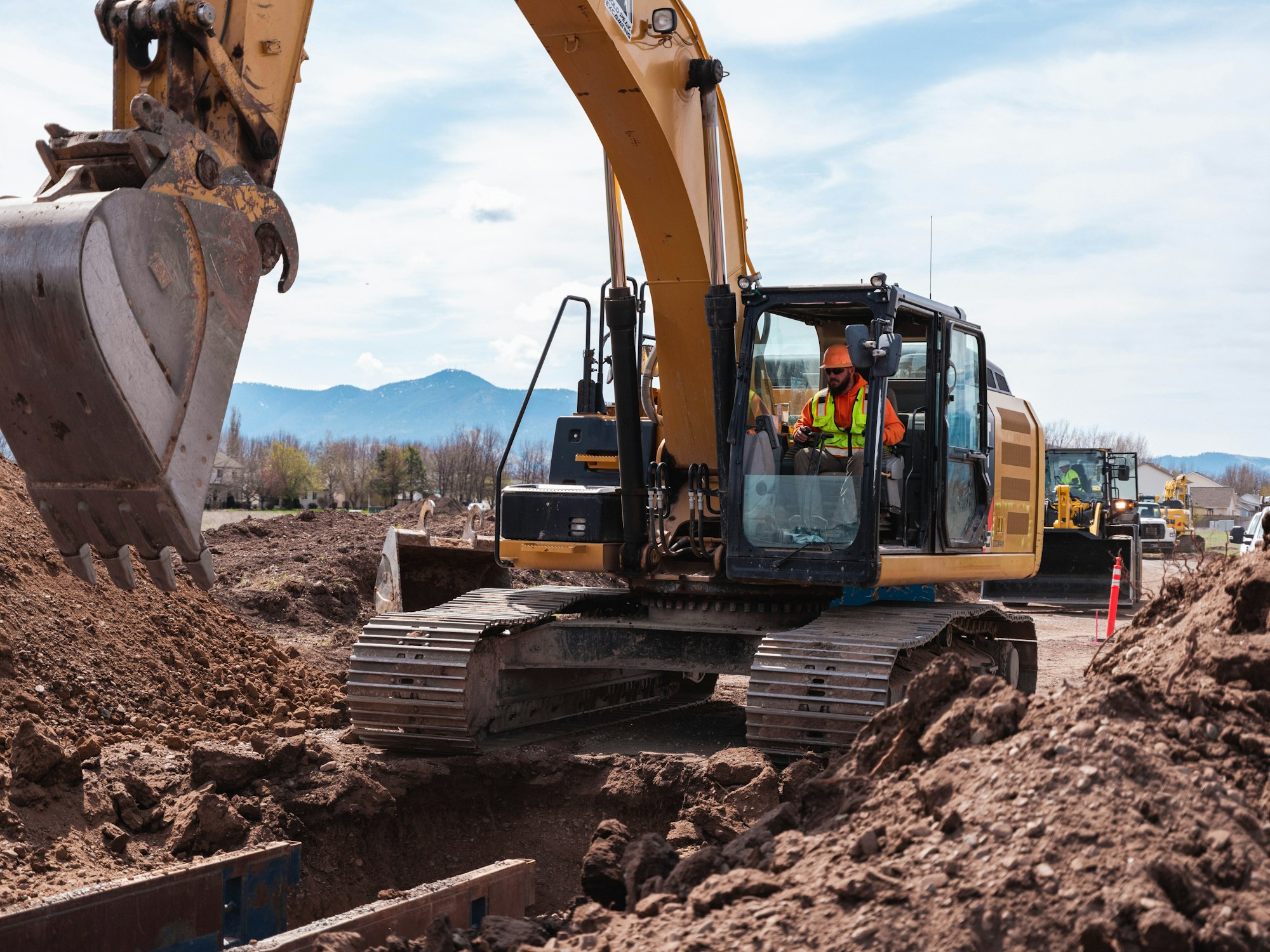
During construction, the contractor is responsible for keeping soil on the site and out of streets, storm sewers and streams. That work starts before the first full scoop of dirt moves and continues until the site is stabilized with pavement, building or established vegetation.
What goes in first
On a typical commercial site we install a rock construction entrance so trucks do not track mud onto the road, silt fence or compost filter sock along the downhill edges, inlet protection on any existing storm drains, and the sediment basin or traps shown on the plan. Only after those are in and inspected, if the reviewing agency requires it, does the bulk grading start. This order matters. Clearing and grading before controls are in place is one of the fastest ways to get a stop-work order.
Maintaining controls through the job
Erosion controls are not set and forget. Silt fence gets knocked down by equipment, filter sock fills with sediment, and basins lose capacity as they collect soil. The plan and permit set inspection and maintenance expectations, including checks after storms, and we keep records of those inspections. On clay sites, a single heavy rain can undo a week of careful work, so we stage grading so that the smallest practical area is open at one time and stabilize finished areas as we go.
From the field
John Minarik, our Construction Manager, has been running equipment and managing sites since 2009, and his rule is simple: water always wins, so plan for it. On a sloped commercial lot he will look at where runoff will go on day one, not just where it goes when the site is finished. That often means temporary diversion swales or extra filter sock below a stockpile that the plan did not draw, because the plan shows the end state and the field shows every stage in between.
Post-construction stormwater management (PCSM)
Post-construction stormwater management, usually shortened to PCSM, is the permanent system that controls runoff from the finished site for as long as the building stands. It is designed by the engineer, built by the contractor and maintained by the owner. If erosion control is about the construction period, PCSM is about the next several decades.
What a PCSM plan includes
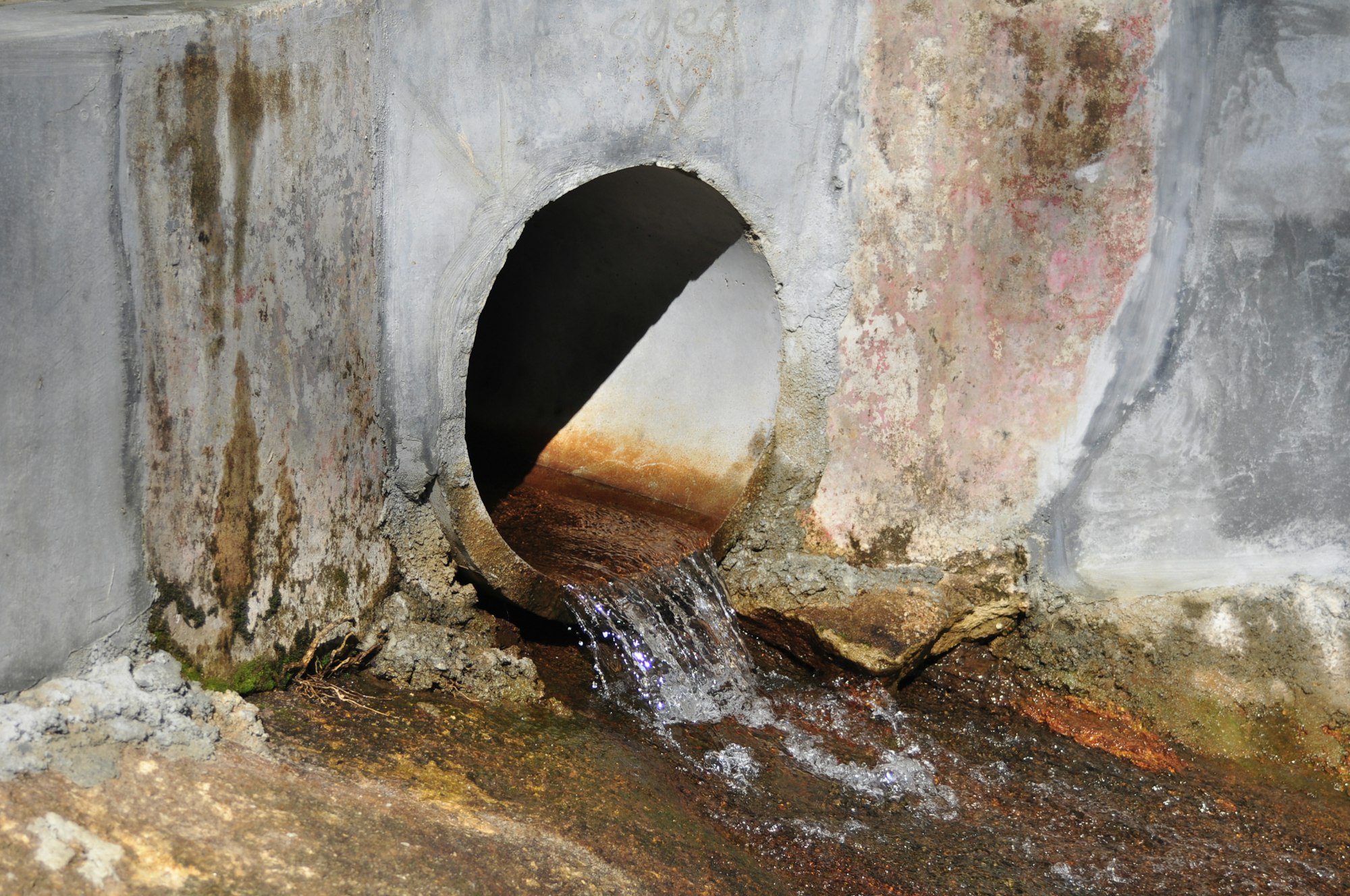
A PCSM plan identifies the permanent best management practices, often called BMPs, that will handle runoff volume, rate and water quality on the finished site. Depending on the site, that might include detention or retention basins, underground storage, infiltration beds, bioretention areas, vegetated swales, rain gardens, porous pavement or water quality inlets. On clay soils, infiltration is often limited, so engineers lean more on detention and vegetated systems. The plan also includes the maintenance schedule those BMPs will need.
Building PCSM features correctly
PCSM features only work if they are built exactly as designed. A detention basin that is a few inches off on its outlet structure will not release water at the rate the engineer calculated. A bioretention area that gets driven over by loaded trucks loses its ability to absorb water. We build these features late in the job when possible, protect them from construction traffic, and coordinate with the engineer so critical stages can be observed and documented. That documentation is often needed to close out the permit.
Long-term operation and maintenance agreements
Long-term operation and maintenance, often called O&M, is the owner's responsibility, and in most cases it is put in writing through an agreement with the township and recorded so it follows the property. If you sell the building, the next owner inherits the obligation. If you lease it, your lease should say who does the maintenance and who pays for it.
What O&M usually involves
Maintenance depends on the BMPs on your site, but it commonly includes mowing and removing woody growth from basin embankments, clearing trash and sediment from inlets and outlet structures, keeping vegetated areas planted, inspecting after large storms and keeping records. Underground systems need periodic inspection and cleaning. None of it is complicated, but it does have to actually happen.
What happens if it is ignored
Townships can inspect stormwater facilities, and an agreement typically gives them the right to require repairs or, in some cases, to do the work and bill the owner. A neglected basin can also flood your own parking lot or a neighbor's property, which turns into a much bigger problem than a few hours of maintenance each year. When we hand over a commercial building, we walk owners through each stormwater feature so they know what it is, where it is and what it needs.
What owners should do before construction starts
The best thing an owner can do is bring the engineer and the contractor together early, before the site plan is final. Stormwater decisions drive grading, parking layout and building placement, and they are much cheaper to change on paper than in the dirt.
Ask the right questions early
Ask your engineer which permits the project needs and who will be named on them. Ask what the township's stormwater ordinance requires and whether it calls for an O&M agreement or a financial guarantee. Ask which BMPs are planned and what they will cost to maintain each year in time and effort. Ask your contractor how they sequence erosion control on a site like yours and how they handle maintenance during a wet season. If anyone gives you a vague answer, keep asking.
Think about the whole site, not just the building
A basin takes up land that could have been parking. Underground storage costs more to build but keeps the surface usable. A swale is cheap to build but needs mowing. These tradeoffs are real, and the right answer depends on your lot, your township and how you plan to use the property. On many of our commercial projects, the excavation and site work and the commercial construction are handled by the same team, which helps because the people building the basin are the same people pouring the slab and paving the lot.
How BCU handles stormwater on commercial projects
At BCU, excavation and commercial construction are the core of what we do, so stormwater is part of nearly every commercial project we take on. We work from the engineer's approved plans, install and maintain erosion controls, build the permanent stormwater features and coordinate with the township and conservation district on inspections.
We do not design stormwater systems ourselves. That is the engineer's job, and it should be. What we bring is field experience on how those designs behave on the clay and shale ground north of Pittsburgh, and we will tell you early if something on paper looks like it will be hard to build or maintain. For owners in Cranberry Township and across Butler County, that local knowledge matters, because review practices differ from one township to the next.
Cost and schedule depend on the site and scope. BCU gives you a free, itemized estimate after seeing the project, along with a realistic schedule that accounts for the permit and review steps your site will need.
Frequently asked questions
Who is responsible for stormwater after a commercial building is finished?
After construction, the property owner is responsible for operating and maintaining the permanent stormwater facilities. In most townships this is spelled out in a recorded agreement that stays with the property when it is sold. Tenants may take on maintenance through a lease, but the township usually looks to the owner.
Does every commercial site need an NPDES permit?
Not every site, but most commercial projects do. In general, earth disturbance of one acre or more requires an NPDES permit for construction stormwater, and smaller disturbances may still need an erosion and sediment control plan and township stormwater approval. Your engineer and township can confirm what applies to your project.
What is the difference between an E&S plan and a PCSM plan?
An erosion and sediment control plan covers the construction period and keeps soil from leaving the site while the ground is disturbed. A post-construction stormwater management plan covers the permanent features that manage runoff from the finished site for the long term. Most commercial projects need both.
Can the contractor hold the stormwater permit instead of the owner?
Contractors are sometimes listed as co-permittees during construction, but the long-term obligations generally stay with the landowner. How the permit is structured depends on the project and the agency. Talk with your engineer about who should be named and what happens when construction ends.
How does Act 167 affect my project?
Act 167 led to county stormwater plans and township ordinances that set local design and maintenance standards. Your township's ordinance determines things like how much runoff your site can release and what maintenance agreements are required. Confirm the current requirements with your township before design is finished.
Plan your commercial site with BCU
Building Contractors United is a woman-owned general contractor based at 64 Halstead Blvd in Zelienople, serving commercial owners within about an hour, from greater Pittsburgh and Venetia north to Grove City. We are fully insured with general liability and workers' compensation, registered as PA HIC #PA193140, and we back our work with a 2-year workmanship warranty. I founded BCU in 2024, and John Minarik has been running sites since 2009. If you have a commercial lot and want a clear picture of stormwater management on a commercial site in Pennsylvania before you commit, call Building Contractors United at (724) 900-4123 or request a free estimate.